Skin Renewal · Dubai Healthcare City
Acne & acne scar treatment in Dubai — calm it, then erase its tracks.
Two problems, one plan: first a medical program to bring active acne under control, then the right resurfacing tools to fade the marks and scars it left behind.
Medical acne programPeels · lasers · microneedling6–12 weeks to calm active acneAll ages teens to adults

From active breakouts to old scars — the full journey.
Wherever you are in the acne story, there's a right next step:
Active acne Adult & hormonal acne Post-acne red marks Dark acne marks Depressed scars Back & body acne
Each chip opens a WhatsApp chat about that exact concern — Dr. Inaam will tell you honestly whether this treatment is the right answer for you.
Scar treatment without acne control is a losing race.
Treating scars while breakouts continue means new scars form behind you. Dr. Inaam sequences it medically: calm the acne first with a personalised program — skincare, peels, and in-clinic care — then resurface the marks with the right tool for each scar type: microneedling for shallow texture, Morpheus8 or CO2 laser for deeper scars, targeted treatment for colour marks.
And because acne skin is often sensitive and prone to pigmentation, especially in Middle Eastern skin tones, every step is chosen to heal without leaving new marks behind.
01
Consultation
Your acne type, triggers and scar map — plus what you've already tried.
02
Calm phase
A medical program to bring breakouts under control, typically 6–12 weeks.
03
Repair phase
Scars and marks treated with the right tool per type — peels, microneedling, or laser.
04
Keep-clear plan
A simple routine that keeps skin clear and protects your results.
Understanding Acne: The Science Behind Breakouts and Scars
Acne is one of the most common conditions I treat at my clinic in Dubai Healthcare City, and it is also one of the most misunderstood. Patients frequently arrive feeling frustrated, sometimes embarrassed, often having already spent months or years cycling through over-the-counter products without lasting results. The first thing I want every patient to understand is that acne is a genuine medical condition with well-characterised pathophysiology. It is not a reflection of poor hygiene, and it is certainly not something you simply need to "grow out of." Effective treatment begins with understanding what is actually happening beneath the surface of your skin.
The Four Pathophysiological Drivers of Acne
Acne develops through the interplay of four distinct biological mechanisms, each of which must be considered when designing a treatment plan:
- Excess sebum production — The sebaceous glands, attached to every hair follicle, produce an oily substance called sebum. In acne-prone individuals, these glands are hypersensitive to circulating androgens (hormones such as testosterone and its more potent derivative, dihydrotestosterone). Genetic predisposition determines the degree of this sensitivity. The result is an overproduction of sebum that overwhelms the follicle's ability to drain normally, creating an environment ripe for congestion.
- Follicular hyperkeratinisation — Inside the pore, the cells lining the follicular wall shed and are carried to the skin's surface by the flow of sebum. In acne-prone skin, these keratinocytes become abnormally sticky and accumulate rather than shed cleanly. This creates a microscopic plug — the microcomedone — which is the precursor to every visible acne lesion.
- Cutibacterium acnes proliferation — C. acnes is a commensal bacterium that lives on everyone's skin. It is not inherently harmful. However, when a follicle becomes plugged, the oxygen-depleted, sebum-rich environment within becomes an ideal breeding ground for C. acnes to multiply rapidly. As bacterial colonies grow, they produce enzymes and metabolic byproducts that irritate the follicular lining and attract immune cells.
- The inflammatory cascade — The immune system recognises the bacterial overgrowth and mounts a response. Inflammatory mediators — cytokines, prostaglandins, neutrophils — flood the area. This is what produces the redness, swelling, tenderness, and sometimes the deep pain associated with inflamed acne lesions. In severe cases, the inflammatory response is so intense that it destroys the surrounding dermal tissue, and this is precisely how scarring begins.
Types of Acne Lesions
Not all acne is the same, and accurate classification guides treatment decisions. Comedonal acne presents as blackheads (open comedones, where the plug oxidises and darkens) and whiteheads (closed comedones, where the plug remains beneath the skin surface). These are non-inflammatory and typically the mildest form. Inflammatory acne escalates to papules — small, red, tender bumps — and pustules, which contain visible pus at the surface. The most severe form, nodulocystic acne, involves deep, painful, firm nodules or fluctuant cysts seated well below the skin surface. These lesions carry the highest risk of permanent scarring and almost always require medical intervention.
Acne Is Not Just a Teenager's Problem
One of the most persistent misconceptions I encounter is that acne is exclusively an adolescent condition. Adult acne is increasingly prevalent, particularly among women in their twenties, thirties, and even forties. Hormonal fluctuations — around the menstrual cycle, during pregnancy, after discontinuing oral contraceptives, or associated with conditions like polycystic ovary syndrome (PCOS) — are significant contributors. Chronic stress elevates cortisol, which in turn stimulates the adrenal glands to produce androgens. Modern lifestyle factors including disrupted sleep, processed diets, and environmental stressors all contribute to the rising incidence of adult-onset acne.
The Dubai Factor
Living in Dubai introduces a specific set of environmental aggravators that I discuss with nearly every acne patient. The combination of high humidity and sustained heat increases sweat production, which mixes with sebum and sunscreen residue on the skin surface, contributing to pore congestion. Many of my patients layer multiple skincare products and high-SPF sunscreens — appropriately, given our UV exposure — but comedogenic formulations or insufficient cleansing at the end of the day compounds the problem. Urban air pollution deposits particulate matter onto the skin that generates oxidative stress and exacerbates inflammation. These are not the root cause of acne, but they are potent aggravating factors that must be addressed alongside clinical treatment.
How Acne Leads to Scarring
Scarring occurs when the inflammatory process extends beyond the follicle and damages the surrounding dermal architecture. The type of scar that forms depends on the nature of this damage and the body's healing response:
- Ice pick scars — Deep, narrow, sharply demarcated pits that extend into the dermis or even subcutaneous tissue. These form when a severe infection destroys a column of tissue from the surface downward. They are among the most challenging scars to treat because of their depth and narrow profile.
- Boxcar scars — Broader, rectangular or oval depressions with sharply defined vertical edges. These result from widespread collagen destruction during a significant inflammatory episode. They may be shallow or deep, and this distinction directly influences treatment selection.
- Rolling scars — Undulating, wave-like depressions that create a textural irregularity across the skin surface. These are caused by fibrous bands of scar tissue that form beneath the skin and tether the epidermis to deeper subcutaneous structures, pulling the surface downward.
- Post-inflammatory hyperpigmentation (PIH) — Dark brown or grey-brown marks that persist after an acne lesion has resolved. PIH is not a true scar — the skin surface is flat — but it is often the primary cosmetic concern, particularly among patients with Fitzpatrick skin types III through VI. Melanocytes, stimulated by inflammation, deposit excess pigment into the epidermis or dermis. PIH can take months or even years to fade without treatment.
- Post-inflammatory erythema (PIE) — Red or pink marks resulting from dilated or damaged capillaries at the site of a resolved lesion. PIE is more visible in lighter skin tones and, like PIH, is technically not a scar but a significant aesthetic concern.
I emphasise to every patient that treating active acne must come first, before we address scarring. Performing scar revision procedures on skin that is still actively breaking out is counterproductive — new inflammation creates new damage, undermining the results of treatment already delivered. Stabilising the skin is not a delay; it is a clinical necessity.
Treatment Approaches: Active Acne and Scar Revision
At my clinic in Dubai Healthcare City, I approach acne treatment as a structured, phased process. The first phase addresses active breakouts and stabilises the skin. Only once we have achieved consistent control do we transition into scar revision. Each treatment plan is individualised — there is no single protocol that works for everyone, and effective management requires ongoing assessment and adjustment.
Treating Active Acne
For active breakouts, I draw from a range of clinical tools depending on the severity and type of acne, the patient's skin type, and their tolerance for downtime:
- Chemical peels — These are among the most effective in-clinic treatments for active acne. Salicylic acid is lipophilic, meaning it dissolves in oil and can penetrate into the sebum-filled pore to exfoliate from within — ideal for comedonal and mildly inflammatory acne. Mandelic acid, derived from bitter almonds, offers both antibacterial and anti-inflammatory properties and is particularly well-suited for darker skin types due to its larger molecular size and slower, more uniform penetration. Glycolic acid provides effective surface-level exfoliation, accelerating cell turnover and improving overall skin texture.
- LED light therapy — Blue light wavelengths (approximately 415 nm) target and destroy C. acnes bacteria through a photochemical reaction involving porphyrins produced by the bacteria themselves. Red light wavelengths (approximately 633 nm) penetrate deeper and reduce inflammation at the cellular level. LED therapy is painless, requires no downtime, and is safe across all skin types.
- Medical-grade skincare protocols — I prescribe pharmaceutical-grade topical regimens tailored to each patient's specific acne profile. Retinoids (vitamin A derivatives) normalise follicular keratinisation and are the cornerstone of long-term acne management. Benzoyl peroxide is a potent antimicrobial that reduces C. acnes without promoting bacterial resistance. Niacinamide (vitamin B3) regulates sebum production, strengthens the skin barrier, and addresses hyperpigmentation. The specific combination, concentration, and application schedule are physician-determined based on your acne type and skin sensitivity.
- Professional extractions — When appropriate, sterile comedone extraction performed in a clinical setting can accelerate the clearance of stubborn blackheads and whiteheads. This is a precise, controlled procedure — very different from squeezing at home, which frequently worsens inflammation and increases scarring risk.
Acne Scar Revision
Once active acne is controlled and the skin is stable, we can begin addressing the scars left behind. I typically employ a multi-modal approach, selecting and combining treatments based on the specific scar types present:
- Microneedling (Dermapen) — Collagen induction therapy using fine, sterile needles that create thousands of controlled micro-injuries in the skin. This triggers the body's wound-healing cascade, breaking down existing scar tissue and stimulating the production of new collagen and elastin. Microneedling is highly effective for rolling and boxcar scars and is safe for all skin types, including darker complexions, because it does not involve thermal energy that could trigger pigmentation changes.
- Fractional CO2 laser — The most aggressive resurfacing option in my treatment arsenal. This ablative laser vaporises precise columns of damaged tissue while leaving surrounding skin intact to serve as a healing reservoir. It is particularly effective for deep ice pick and severe boxcar scars. Patients should expect significant downtime — typically seven to fourteen days of redness, swelling, and peeling. The results, however, can be dramatic.
- TCA CROSS (Chemical Reconstruction of Skin Scars) — A targeted technique in which high-concentration trichloroacetic acid (typically 70-100%) is applied directly into individual ice pick scars using a fine applicator. The controlled chemical injury stimulates collagen production from the base of the scar upward, gradually raising the depressed area to meet the surrounding skin level. Multiple sessions are required, spaced four to six weeks apart.
- PRP (platelet-rich plasma) — Often referred to as the "vampire facial" when combined with microneedling. A small volume of the patient's own blood is drawn, centrifuged to concentrate the platelet-rich plasma, and then applied to the skin during microneedling. The concentrated growth factors — including PDGF, TGF-beta, and VEGF — enhance the healing response, accelerate collagen synthesis, and improve overall skin quality.
- Morpheus8 Pro — Radiofrequency microneedling that delivers targeted thermal energy at precisely controlled depths within the dermis. This is particularly effective for scars accompanied by underlying skin laxity, as the radiofrequency component tightens the dermal framework while the microneedling stimulates collagen remodelling. Critically, because the energy is delivered subdermally rather than at the skin surface, Morpheus8 is safe for darker skin types — a significant advantage in Dubai's diverse patient population.
I rarely rely on a single modality for scar revision. Most patients present with a combination of scar types, and the best outcomes come from a strategic combination of treatments — for example, TCA CROSS for ice pick scars, microneedling with PRP for rolling scars, and Morpheus8 for textural irregularity and laxity. Treatment sequencing matters: we begin with addressing the deepest deficits and progress to surface refinement.
Patients should understand that meaningful scar improvement is a process, not an event. A realistic timeline for significant visible improvement is three to six months of sequential treatments, sometimes longer for severe scarring. I set expectations clearly at the consultation stage, because trust depends on honesty about what is achievable and how long it will take.
Safety, Skin Type Considerations and the Acne Treatment Journey
Providing safe, effective treatment across the extraordinary diversity of skin types I see in Dubai is one of the most important aspects of my clinical practice. Dubai Healthcare City serves patients from virtually every ethnic background and skin phototype, and a one-size-fits-all approach to acne and scar treatment is not only inadequate — it can be harmful. Every treatment plan I design begins with a thorough assessment of the patient's Fitzpatrick skin type, their history of pigmentation responses, and their individual healing characteristics.
Fitzpatrick Skin Type Considerations
Patients with darker skin types — Fitzpatrick IV through VI, encompassing many South Asian, Middle Eastern, African, and Southeast Asian patients — face a particular challenge: both the acne itself and many of the treatments used to address it carry a heightened risk of post-inflammatory hyperpigmentation. A treatment that resolves a scar but leaves a dark mark in its place has not delivered a meaningful improvement for the patient.
For this reason, I adopt a conservative, escalating approach with darker-skinned patients. We begin with lower-risk modalities and assess the skin's response before progressing to more aggressive options:
- Safer first-line treatments for darker skin — Microneedling (particularly at conservative depths), mandelic acid and carefully formulated chemical peels, Morpheus8 radiofrequency microneedling, and LED therapy. These treatments carry a lower risk of triggering unwanted pigmentation when performed by an experienced practitioner with appropriate settings.
- Higher-risk treatments requiring careful protocols — Ablative laser resurfacing (including fractional CO2) at aggressive settings and deep chemical peels must be approached with considerable caution in Fitzpatrick IV-VI patients. These are not necessarily contraindicated, but they require conservative energy settings, meticulous pre-treatment preparation (often including a course of topical retinoids and hydroquinone or alternative depigmenting agents), and rigorous post-treatment care to minimise the risk of hyperpigmentation.
Isotretinoin Considerations
Patients who have recently completed a course of isotretinoin (commonly known by its former brand name, Accutane) require special consideration. Isotretinoin profoundly affects the skin's healing capacity — it reduces sebaceous gland activity, thins the epidermis, and alters the wound-healing response. I require a waiting period of six to twelve months after completing isotretinoin before performing laser treatments, deep chemical peels, or aggressive microneedling. This is a firm clinical boundary, not a suggestion. Proceeding too early risks impaired healing, prolonged erythema, and atypical scarring.
Contraindications and Medical Considerations
Certain treatments carry specific contraindications that I assess at every consultation. Active skin infections in the treatment area must be fully resolved before any procedure. Pregnancy and breastfeeding preclude the use of retinoids, certain chemical peels, and laser treatments. Some medications — including photosensitising drugs and certain immunosuppressants — may require treatment modification or temporary postponement. A thorough medical history is not a formality; it is a clinical safeguard.
The Hormonal Component
When I identify clinical patterns suggestive of hormonal acne — breakouts concentrated along the jawline and chin, cyclical flaring, late-onset acne in women, or acne resistant to standard topical therapy — I discuss the possibility of underlying hormonal factors with my patients. Conditions such as polycystic ovary syndrome (PCOS), late-onset congenital adrenal hyperplasia, and other endocrine disturbances can drive persistent acne that will not fully resolve with topical and procedural treatments alone. In these cases, I refer patients to an endocrinologist or gynaecologist for hormonal evaluation and, where appropriate, systemic hormonal management. Practising within a hospital setting in Dubai Healthcare City facilitates these referrals and ensures coordinated care.
Dietary, Lifestyle and Skincare Guidance
Patients frequently ask about the role of diet in acne. I take an evidence-based position: there is reasonable clinical evidence that high glycaemic index diets (refined sugars, white bread, processed foods) and dairy consumption — particularly skimmed milk — may aggravate acne in susceptible individuals. Beyond these associations, many popular dietary claims about acne lack robust scientific support. I encourage a balanced, whole-food diet without promoting unnecessary restriction or guilt around eating.
During active treatment, skincare becomes a therapeutic tool. I provide detailed guidance on what to use — gentle, non-comedogenic cleansers, prescribed active ingredients, appropriate moisturisers — and equally importantly, what to avoid: harsh physical scrubs, essential-oil-heavy "natural" products, and layering multiple actives without medical supervision. Sun protection is non-negotiable during any acne treatment course. Many of our treatments — retinoids, chemical peels, laser procedures — increase photosensitivity. Unprotected sun exposure not only risks sunburn but dramatically increases the likelihood of post-inflammatory hyperpigmentation, particularly in darker skin types. I prescribe broad-spectrum, non-comedogenic sunscreens with SPF 50+ and counsel patients on reapplication.
The Emotional Dimension
I want to address something that clinical discussions often overlook: acne and acne scarring profoundly affect quality of life. I see the impact in my consulting room every day — patients who avoid social situations, who struggle with self-confidence, who feel that others judge them for something entirely beyond their control. This emotional burden is real, it is valid, and it is taken seriously in my practice. Treating acne is not vanity. It is healthcare that restores function, confidence, and wellbeing. Every patient deserves to feel heard, and every treatment plan should acknowledge the full weight of what this condition takes from people.
Practising in a hospital setting within Dubai Healthcare City offers distinct advantages for comprehensive acne management: access to medical-grade treatments and pharmaceuticals, proper clinical assessment using standardised grading systems, the ability to refer to dermatologists, endocrinologists, or mental health professionals when needed, and the governance and regulatory oversight that ensures patient safety at every stage.
Clinical Evidence and References
Every treatment I offer is grounded in published clinical evidence. I believe patients have the right to understand the scientific foundation behind their care, and I am committed to selecting treatments based on demonstrated efficacy rather than market trends or commercial pressure. The following references represent key studies that inform my clinical approach to acne and acne scar management:
- Zaenglein et al. (2016) — "Guidelines of Care for the Management of Acne Vulgaris," published in the Journal of the American Academy of Dermatology. This comprehensive evidence-based guideline remains the gold standard for acne management, providing strength-of-recommendation ratings for topical, systemic, procedural, and complementary treatments. It informs my treatment sequencing and therapeutic decision-making for patients across all acne severity grades.
- Fabbrocini et al. (2010) — "Acne Scarring Treatment Using Skin Needling," published in Clinical and Experimental Dermatology. This study demonstrated significant improvement in acne scar severity following percutaneous collagen induction therapy (microneedling), with histological evidence of new collagen deposition in the dermis. It provides the foundational evidence supporting microneedling as a safe and effective scar revision modality, particularly for patients in whom laser resurfacing carries elevated risk.
- Connolly et al. (2017) — "Acne Scarring — Pathogenesis, Evaluation, and Treatment Options," published in The Journal of Clinical and Aesthetic Dermatology. This review consolidates the evidence for multi-modal scar treatment, including subcision, energy-based devices, chemical reconstruction, and filler-based approaches. It supports the combination treatment strategy I employ, matching specific modalities to specific scar morphologies for optimal outcomes.
- Tan et al. (2017) — "A Systematic Review of the Health-Related Quality of Life (HRQOL) of Acne Patients," published in Skin Pharmacology and Physiology. This meta-analysis quantified the significant negative impact of acne on psychological wellbeing, social functioning, and emotional health. It reinforces my clinical conviction that acne treatment is not cosmetic indulgence but a meaningful medical intervention with measurable impact on patient wellbeing.
In addition to these foundational references, I maintain an ongoing review of current literature, including advances in radiofrequency microneedling, novel topical agents, and refinements in laser parameters for diverse skin types. Clinical practice should evolve with the evidence, and I am committed to ensuring that every patient receives care informed by the most current and rigorous science available.
If you are dealing with active acne, acne scarring, or both, I encourage you to book a consultation so we can assess your skin, discuss your concerns, and design a treatment plan tailored specifically to you. Every case is different, and the path to clearer skin begins with a thorough, honest evaluation. Schedule your consultation at our Dubai Healthcare City clinic — I look forward to helping you take the first step.
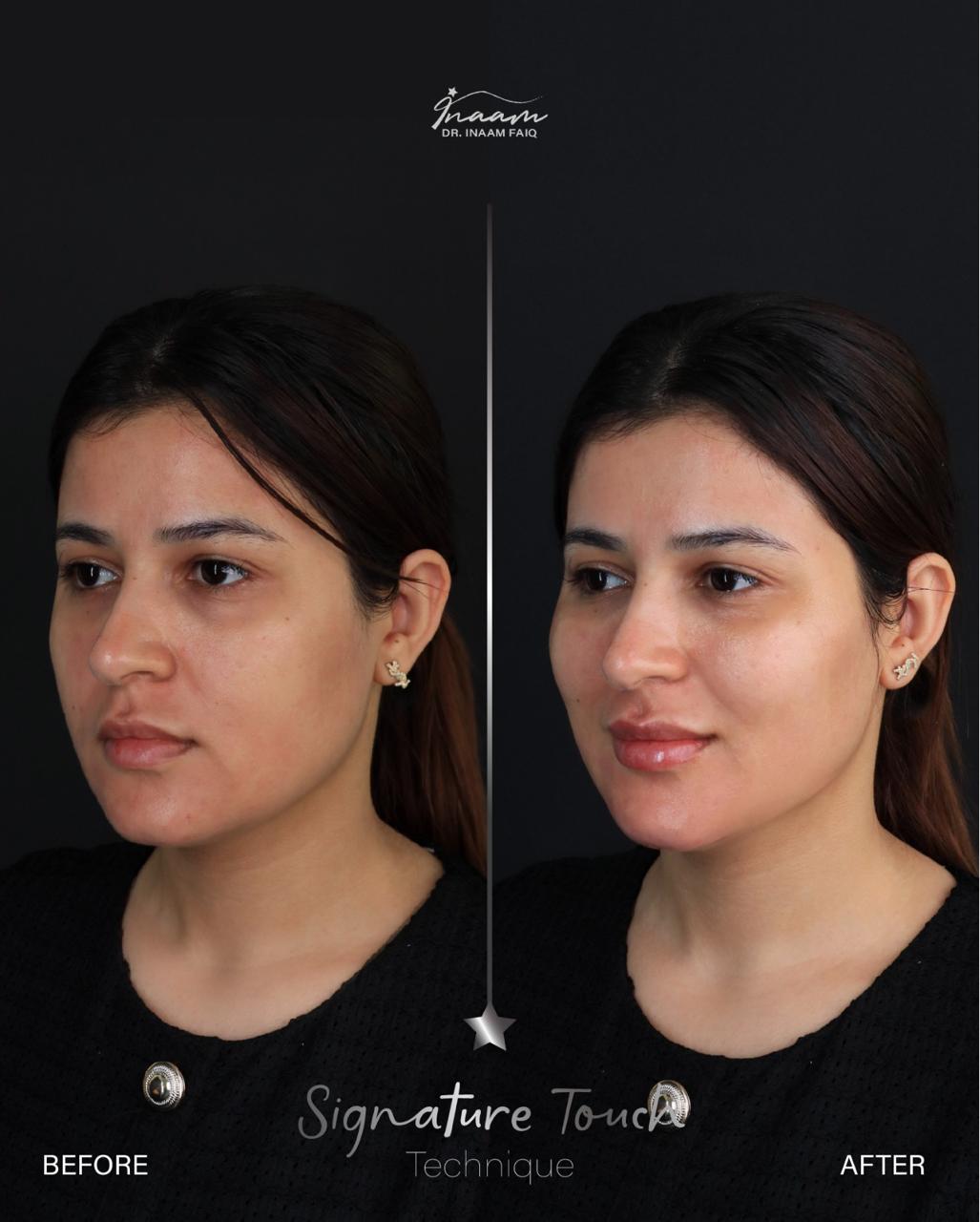
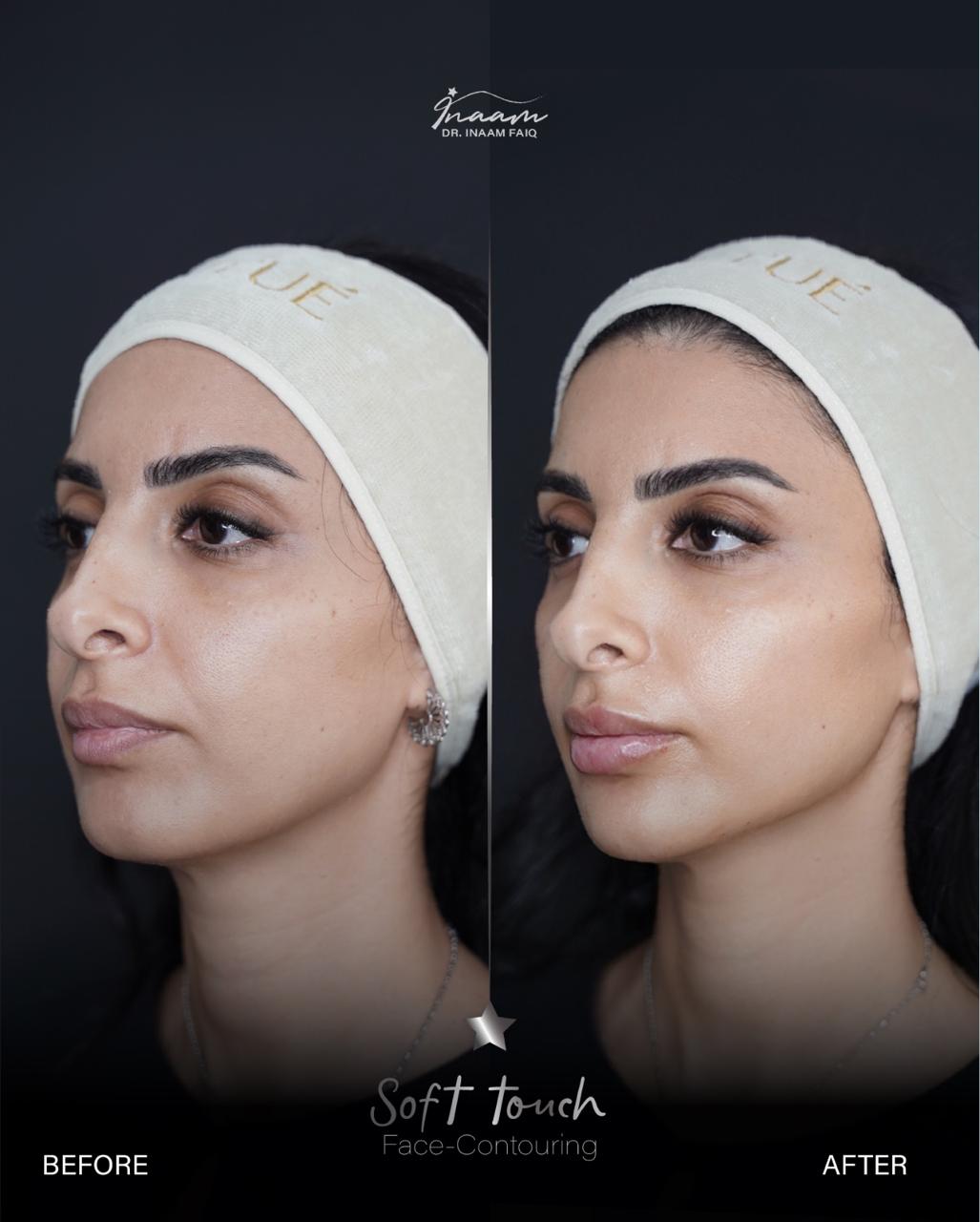
Real Procedure Results
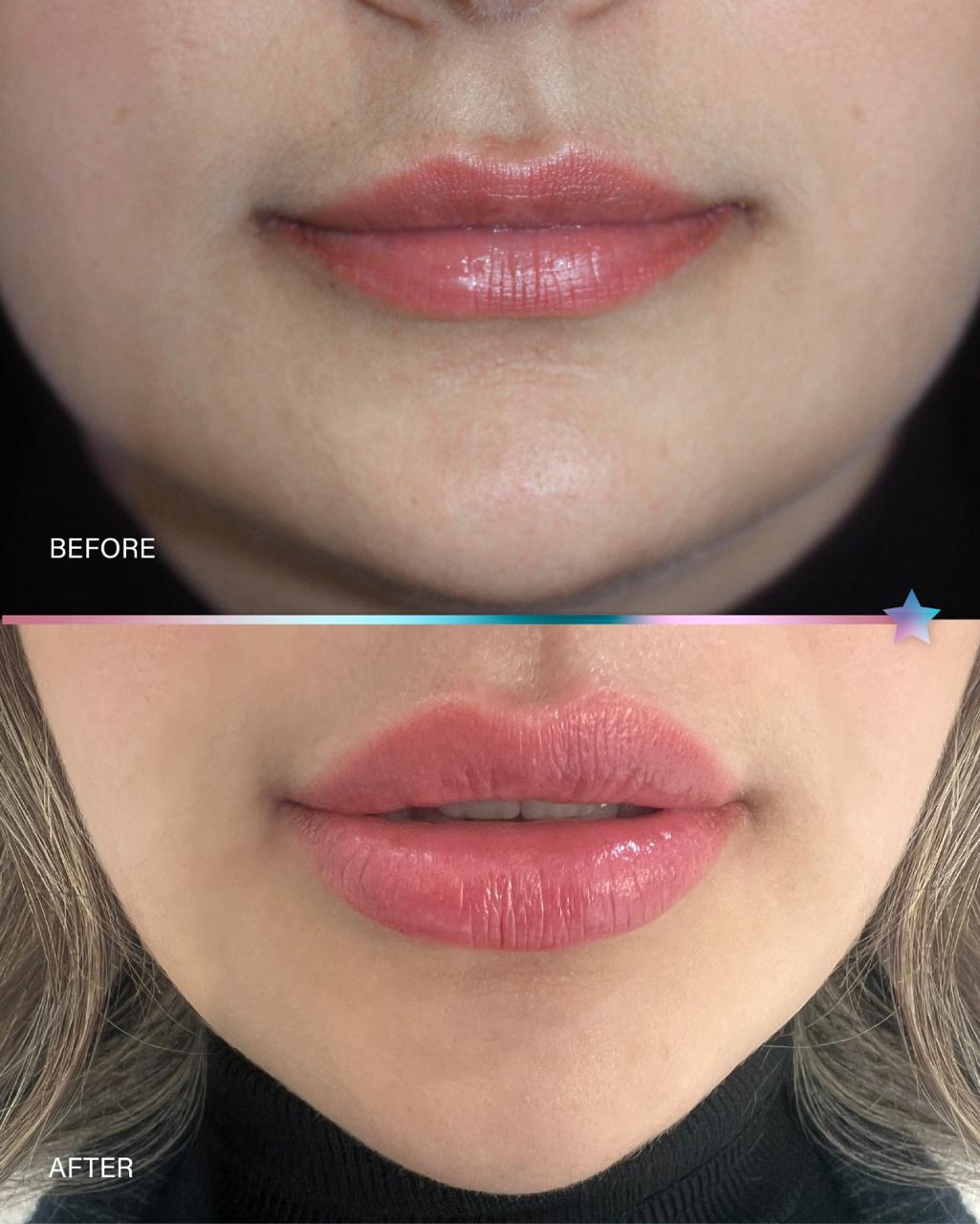
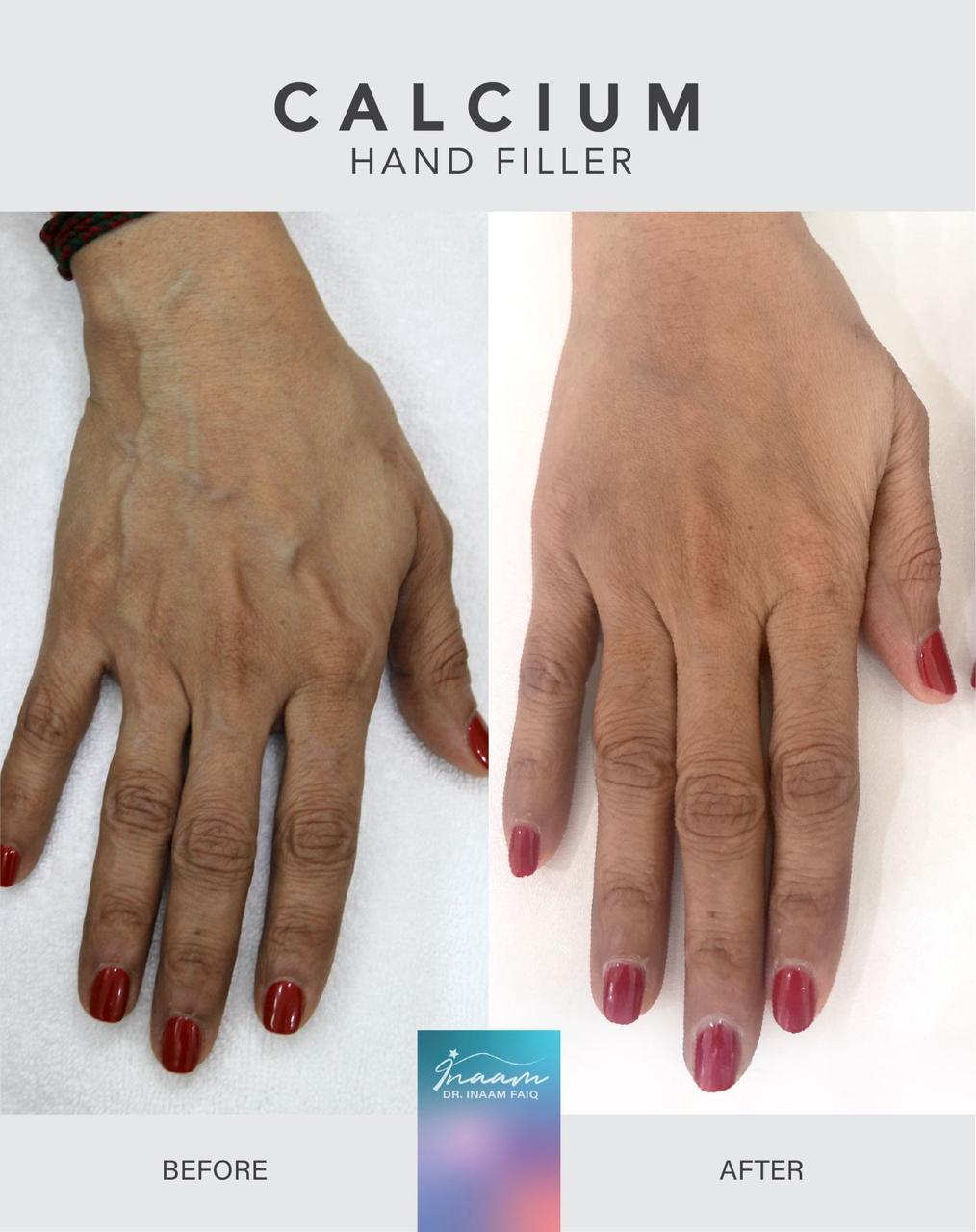
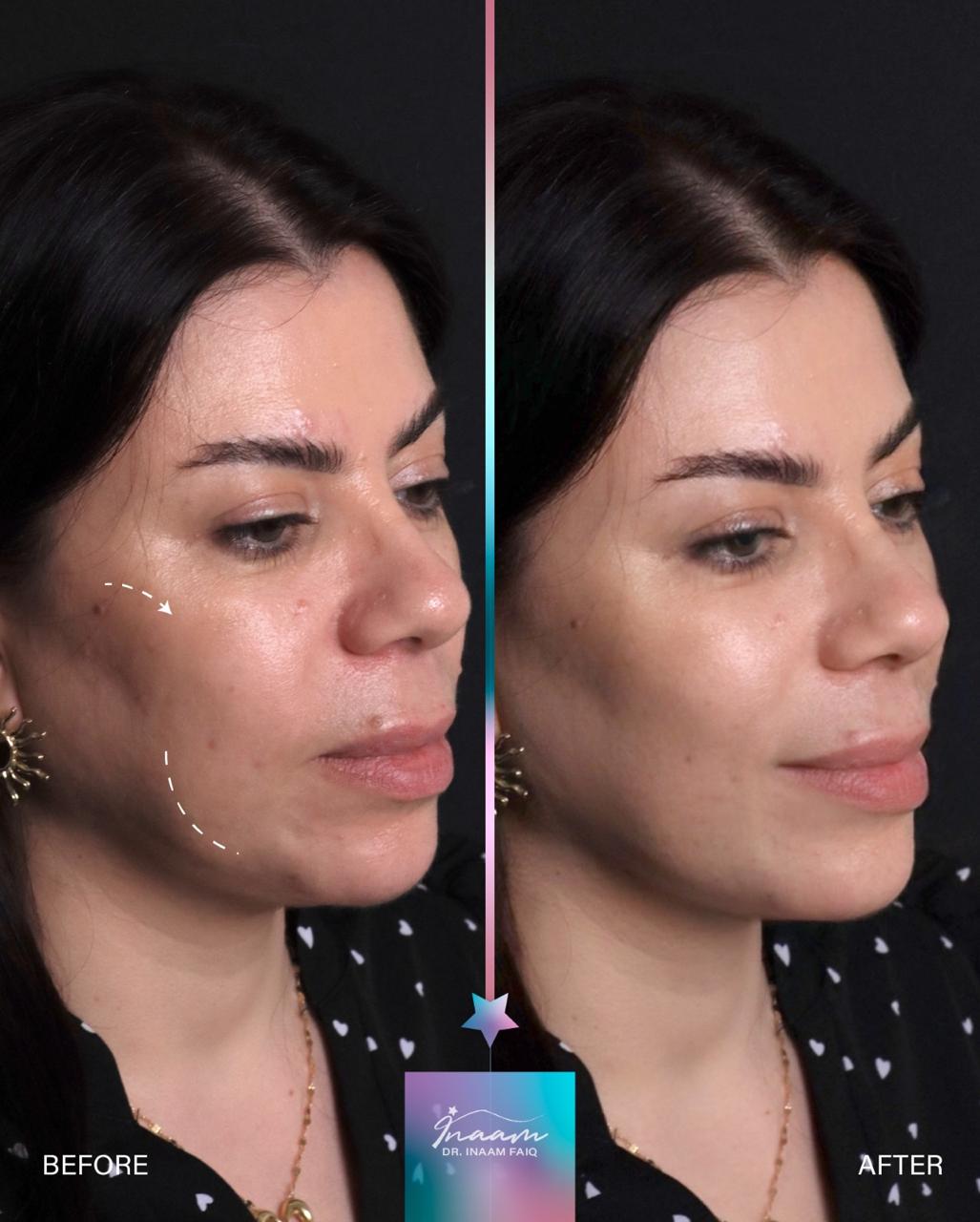
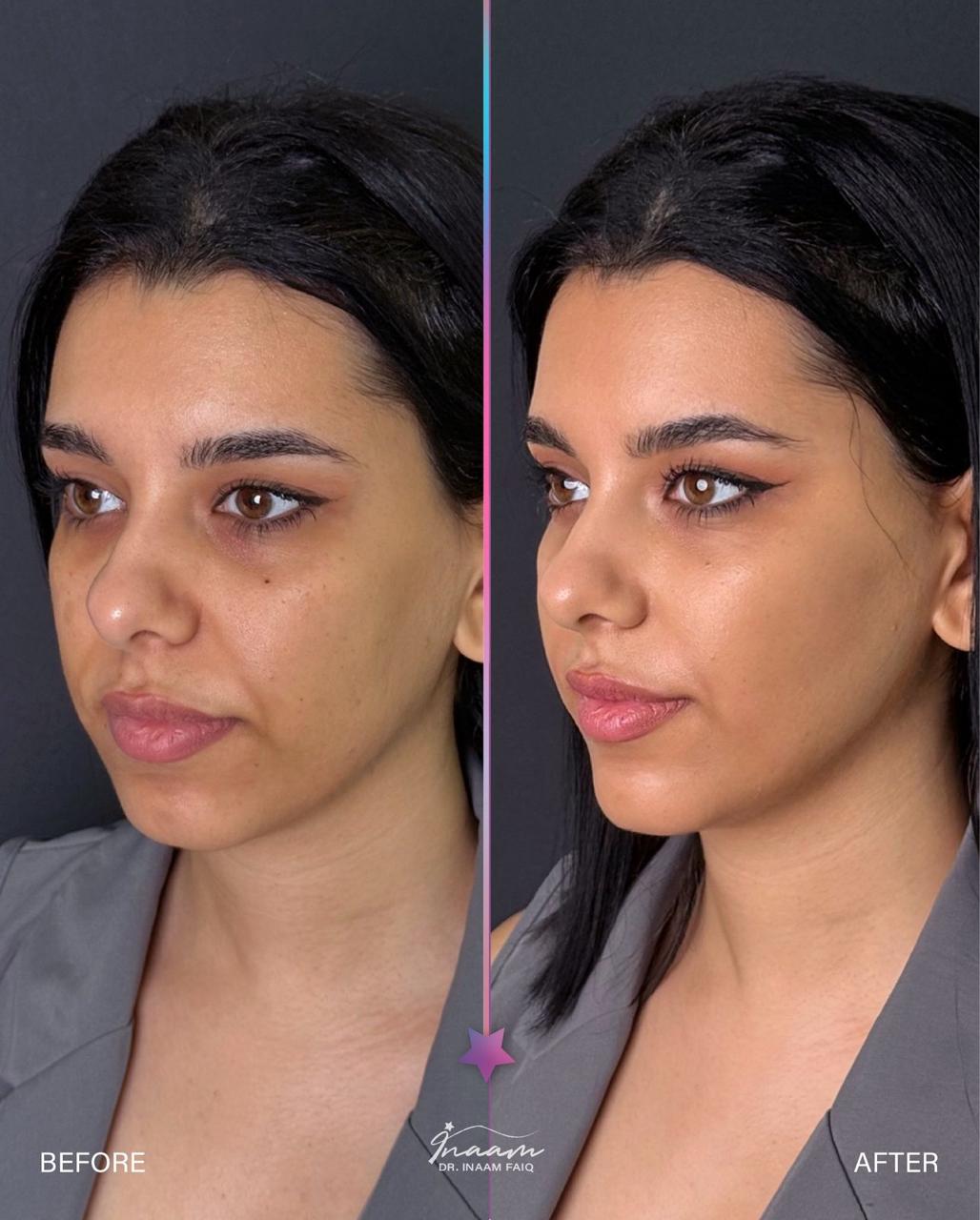
View the results gallery → Results from Dr. Inaam's happy patients.
Browse unretouched before & after results from Dr. Inaam's patients across all treatments.
Everything patients ask before booking.
Can you treat active acne, not just scars?
Yes — and that's deliberately step one. A medical acne program calms breakouts first; scar repair follows once skin is stable.
Which scar treatments will I need?
Depends on your scar types: shallow texture responds to microneedling and peels; deeper rolling or boxcar scars need Morpheus8 or CO2 laser. Most patients have mixed scarring and get a combined plan.
How long until my skin is clear?
Active acne typically calms significantly within 6–12 weeks of the program. Scar repair then runs across 3–6 months depending on depth and the tools used.
Is this suitable for teenagers?
Yes — early medical treatment is the best scar prevention there is. Programs are adjusted for teenage skin and lifestyle.
Will treatment cause pigmentation on my skin tone?
This risk is exactly why acne care should be doctor-led. Every peel and laser setting is chosen tone-safe, and healing is monitored to prevent post-inflammatory marks.
Do results last?
Cleared scars are permanent improvements. For acne itself, the keep-clear routine maintains results — with easy adjustments if your skin changes.