Skin Renewal · Dubai Healthcare City
Skin rejuvenation in Dubai — face, neck & hands, in harmony.
Ageing shows first where skin is thinnest — the face, the neck, the hands. Dr. Inaam builds combined rejuvenation plans that restore glow, elasticity and even tone across all three, so nothing gives your age away.
Custom plan per patient3 zones — face, neck, handsMinimal downtime optionsNatural gradual results

The zones that tell the truth — refreshed together.
A rejuvenated face next to an aged neck fools nobody. Dr. Inaam treats the picture as a whole:
Facial glow & elasticity Neck lines & crepiness Ageing hands Dull, tired skin Thin, crepey skin Overall skin quality
Each chip opens a WhatsApp chat about that exact concern — Dr. Inaam will tell you honestly whether this treatment is the right answer for you.
Not one machine — a plan.
Real rejuvenation is rarely a single treatment. Dr. Inaam combines the right tools per zone — skin boosters and mesotherapy for hydration, microneedling or Morpheus8 for firmness, peels and lasers for tone — sequenced into one coherent plan with a start, a finish and a maintenance rhythm.
The philosophy is hers as always: the fewest procedures that achieve the goal, natural at every stage, and adjusted as your skin responds. One doctor overseeing the whole journey, not a menu of disconnected sessions.
01
Consultation & skin scan
Face, neck and hands assessed — with the AI skin scan if you like numbers with your mirror.
02
Your plan
Treatments, sequence and timeline mapped per zone — explained before anything begins.
03
Treatment sessions
Spaced for comfort and healing, most with minimal or no downtime.
04
Maintenance rhythm
Skin is a habit: a light upkeep plan keeps results going year after year.
The Science of Skin Rejuvenation: How Modern Treatments Restore Youth
Skin rejuvenation is one of the most requested areas in aesthetic medicine, and for good reason. The skin is the body's largest organ and the one most visibly affected by time, environment and lifestyle. In my practice here in Dubai Healthcare City, I see patients from remarkably diverse backgrounds, yet the underlying biology of skin ageing follows universal principles. Understanding that biology is the first step toward genuinely effective treatment.
Why Skin Ages: Intrinsic and Extrinsic Factors
Skin ageing is driven by two interconnected processes. Intrinsic ageing is genetically programmed and begins earlier than most people realise. From approximately age 30, the dermis loses roughly one per cent of its collagen each year. Elastin fibres — the proteins responsible for skin's ability to snap back into place — gradually fragment and lose their organised architecture. Cellular turnover slows: where a young adult's epidermis renews itself every 28 days, that cycle can extend to 45 or even 60 days by middle age. The result is a progressive thinning of the skin, reduced structural support and a complexion that appears duller and less resilient.
Extrinsic ageing accelerates this process, and in Dubai the extrinsic burden is considerable. Ultraviolet radiation is the single most significant external ageing factor. UV-A penetrates deeply into the dermis, generating reactive oxygen species that degrade collagen and elastin at a molecular level. UV-B damages the epidermis more superficially, disrupting melanocyte function and contributing to irregular pigmentation. In Dubai, the UV index regularly exceeds 10 during summer months and remains elevated for much of the year — a level classified as "very high" to "extreme" by the World Health Organisation. Add to this the effects of environmental pollution, fine particulate matter from sandstorms, chronic dehydration from air-conditioned indoor environments, and lifestyle factors such as stress and sleep disruption, and you have a uniquely demanding environment for skin health.
The Key Targets of Rejuvenation
Effective skin rejuvenation does not rely on a single mechanism. In my clinical approach, I target four fundamental pillars simultaneously:
- Collagen remodelling — stimulating the fibroblasts in the dermis to produce new, well-organised collagen (primarily types I and III), restoring structural firmness and reducing fine lines
- Melanin regulation — addressing hyperpigmentation, melasma, sun spots and uneven tone by modulating melanocyte activity and accelerating the clearance of excess pigment
- Cellular turnover — encouraging the shedding of damaged superficial cells and promoting the migration of fresh, healthy keratinocytes to the surface
- Hydration restoration — replenishing the hyaluronic acid, glycosaminoglycans and lipid barrier components that maintain skin plumpness, luminosity and resilience
The Modalities I Use and How Each Contributes
No single device or technique addresses all four pillars equally well. This is why I build treatment plans around multiple complementary modalities, each selected for its specific mechanism of action:
- RF microneedling (Morpheus8 Pro) — delivers radiofrequency energy through an array of insulated microneedles directly into the deep dermis and subdermis, at depths of up to 7 mm. This controlled thermal injury triggers a robust wound-healing cascade that remodels collagen, tightens tissue and improves skin laxity. It is particularly effective for jawline definition, neck tightening and addressing crepey skin on the decolletage and hands
- Chemical peels — provide controlled exfoliation at varying depths. Superficial peels using glycolic, lactic or mandelic acid accelerate cellular turnover and brighten the complexion. Medium-depth peels with trichloroacetic acid (TCA) address deeper pigmentation, fine lines and photodamage. I select peel formulations carefully based on Fitzpatrick skin type and the specific concern being treated
- Microneedling (Dermapen) — creates thousands of precisely controlled micro-channels in the skin, triggering a collagen induction response while also dramatically enhancing the penetration of topical active ingredients such as growth factors, hyaluronic acid and vitamin C serums. This makes it an excellent adjunctive treatment
- Laser treatments (fractional CO2, pulsed dye laser) — fractional CO2 resurfacing ablates microscopic columns of damaged tissue, stimulating intensive collagen remodelling and epidermal renewal. Pulsed dye laser targets vascular concerns including redness, rosacea, broken capillaries and certain types of scarring. These are among the most powerful rejuvenation tools available when used at appropriate settings
- Injectables (Sculptra, mesotherapy) — Sculptra (poly-L-lactic acid) stimulates the body's own collagen production gradually over several months, restoring lost facial volume in a natural, progressive manner. Mesotherapy delivers customised cocktails of vitamins, peptides, hyaluronic acid and antioxidants directly into the mesoderm, providing deep hydration and nourishment that topical products simply cannot achieve
Why Multi-Modality Treatment Is Superior
In my experience, the most consistently impressive results come not from any single treatment but from the intelligent combination of modalities that target different layers and mechanisms simultaneously. A patient with sun-damaged skin on her decolletage, for example, may benefit from a course of chemical peels to address surface pigmentation, followed by Morpheus8 to tighten and firm the deeper tissue, with mesotherapy sessions interspersed to restore hydration. Each treatment amplifies the others. This is not simply additive — it is synergistic.
Beyond the Face: Neck, Decolletage and Hands
One observation I share with nearly every patient: the face rarely ages in isolation. The neck, chest and hands are exposed to many of the same environmental insults yet receive far less attention — both from patients and, frankly, from many practitioners. Thin skin on the neck and decolletage is particularly vulnerable to photoageing, developing crepiness, hyperpigmentation and textural irregularity. The hands lose subcutaneous fat with age, making veins and tendons more prominent, while sun spots and thinning skin add years to their appearance. A truly comprehensive rejuvenation programme addresses all visible areas to create a harmonious, natural result.
What to Expect: Your Personalised Rejuvenation Journey
If there is one principle I emphasise above all others, it is that there is no universal skin rejuvenation protocol. Every patient who walks into my clinic at the American Academy of Cosmetic Surgery Hospital presents with a unique combination of skin type, ageing patterns, environmental exposure history and personal goals. The treatment plan I design for a 35-year-old woman concerned primarily with early melasma will be fundamentally different from the plan for a 55-year-old patient seeking to address volume loss and skin laxity across the face and neck. Attempting to apply the same approach to both would serve neither well.
The Assessment Process
Every rejuvenation journey begins with a thorough consultation. During this initial visit, I evaluate several dimensions of skin health:
- Fitzpatrick skin type classification — determining the skin's baseline melanin level and its characteristic response to UV exposure, which directly informs the safety parameters for every treatment I consider
- Photodamage assessment — evaluating the extent and depth of UV-induced changes including pigmentation irregularity, textural roughness, fine lines, elastosis and vascular changes
- Structural assessment — examining volume loss, skin laxity, jawline definition and the condition of deeper tissue layers
- Concern prioritisation — understanding which aspects of ageing are most bothersome to the patient and establishing clear, achievable goals
- Lifestyle and environmental factors — daily sun exposure habits, outdoor activity levels, skincare routine, hydration status, travel patterns and occupational considerations
How Treatments Work Together
Certain treatment combinations are particularly effective because they target complementary mechanisms. Some of the synergistic pairings I frequently recommend include:
- Morpheus8 combined with neurotoxin (Botox) — Morpheus8 addresses static skin quality, firmness and texture through deep collagen remodelling, while Botox relaxes the dynamic muscles that create expression lines. Together, they produce a smoother, tighter and more youthful appearance than either treatment alone
- Chemical peels combined with Dermapen microneedling — peels resurface and brighten from the outside in, clearing damaged superficial cells and pigment, while microneedling stimulates collagen production from within. When appropriately sequenced, this combination delivers both immediate luminosity and progressive structural improvement
- Sculptra combined with thread lifts — Sculptra gradually restores lost volume by stimulating endogenous collagen production, while absorbable threads provide immediate mechanical lifting and scaffolding. The two modalities complement each other beautifully, creating natural-looking volume and contour that evolves gracefully over several months
A Phased Approach to Treatment
I deliberately build treatment plans in stages rather than attempting to address every concern simultaneously. This phased approach is both safer and more effective. It allows each treatment to settle, the skin to recover fully and the results to be assessed before the next step is introduced. It also gives the patient time to adjust to gradual improvements, which produces far more natural outcomes than sudden, dramatic change.
A typical comprehensive rejuvenation programme follows this general timeline:
- Initial consultation and skin analysis — a detailed assessment, discussion of goals and expectations, and creation of a personalised treatment roadmap. I also establish a medical-grade skincare regimen at this stage, as home care forms the essential foundation for everything that follows
- Phase 1 (months 1 to 3) — addressing the primary concern, whether that is textural irregularity, pigmentation, or skin laxity. This phase typically involves two to four treatment sessions, spaced at appropriate intervals depending on the modalities selected
- Phase 2 (months 3 to 6) — building on the improvements achieved in Phase 1 by introducing complementary treatments. For example, if Phase 1 focused on surface renewal with peels and microneedling, Phase 2 might introduce Morpheus8 for deeper tightening or Sculptra for volume restoration
- Maintenance phase — once optimal results have been achieved, I transition patients to a maintenance schedule of quarterly or biannual sessions. This is essential for sustaining improvements long term, particularly in Dubai's high-UV environment where ongoing photoprotection and periodic treatment refreshment are necessary to preserve results
Recovery and Realistic Expectations
Recovery time varies significantly by modality. Some treatments, such as mesotherapy or light chemical peels, involve essentially zero downtime — patients return to normal activities immediately. Others, such as fractional CO2 laser resurfacing, may require seven to ten days of social downtime while the skin heals and renews. I discuss recovery expectations in detail before every procedure so that patients can plan accordingly.
Perhaps most importantly, I set realistic expectations from the outset. Skin rejuvenation is a progressive process, not an overnight transformation. Collagen remodelling, in particular, unfolds over weeks and months. Many of my patients report that their skin continues to improve for three to six months after completing a treatment course. This gradual improvement is, in fact, a sign that the treatments are working as intended — stimulating the body's own regenerative processes rather than merely masking the signs of ageing.
Safety, Skin Type Considerations and the Dubai Environment
Safety is the non-negotiable foundation of my practice. In aesthetic medicine, the line between an excellent result and a complication often comes down to proper patient selection, appropriate device settings and meticulous post-treatment care. Nowhere is this more true than in Dubai, where the environmental context introduces specific challenges that must be factored into every treatment decision.
Dubai-Specific Skin Concerns
The UAE's climate creates a distinctive set of dermatological challenges. Year-round UV exposure is intense — the UV index in Dubai regularly reaches 10 to 11 during peak months and rarely drops below 5 even in winter. This chronic, cumulative UV burden accelerates photoageing and increases the risk of post-procedural complications such as hyperpigmentation if treatments are not carefully timed and managed. The extreme heat also triggers and exacerbates hormonal melasma, a condition I see frequently in my female patients, where oestrogen and progesterone sensitise melanocytes to even modest UV exposure. Additionally, the constant transition between outdoor heat and heavily air-conditioned indoor environments creates a cycle of dehydration and barrier disruption that compromises skin resilience and can impair healing after procedures.
Fitzpatrick Skin Type Assessment
Every treatment plan begins with a Fitzpatrick skin type assessment. This classification system, which categorises skin on a scale from I (very fair, always burns) to VI (deeply pigmented, never burns), is the starting point for determining safe treatment parameters. Dubai's population is extraordinarily diverse, and on any given day in my clinic I may treat patients spanning the full Fitzpatrick spectrum. The significance of this cannot be overstated: a laser setting that produces excellent results on Fitzpatrick type II skin could cause significant harm on Fitzpatrick type V skin.
Special Considerations for Darker Skin Tones
A substantial proportion of my patients have Middle Eastern, South Asian or African heritage, corresponding to Fitzpatrick types IV through VI. These skin types present specific considerations that demand expertise and caution:
- Post-inflammatory hyperpigmentation (PIH) — melanocyte-rich skin is inherently more reactive to injury and inflammation. Any procedure that creates controlled tissue damage — laser, microneedling, chemical peels — carries a higher risk of triggering PIH in darker skin types. This does not mean these treatments cannot be used; it means they must be used with modified parameters and careful preparation
- Gentler initial treatments with careful escalation — I typically begin with lower-intensity settings and superficial modalities, assessing the skin's response before gradually increasing treatment depth or energy. This cautious escalation significantly reduces the risk of adverse pigmentary changes
- Specific formulations and settings — certain peel acids, such as mandelic acid and modified Jessner's solutions, are inherently safer for darker skin types. When using energy-based devices, I select longer pulse durations, lower fluences and specific wavelengths that are less absorbed by epidermal melanin, thereby minimising the risk of thermal injury to the epidermis while still delivering therapeutic energy to the target tissue
Combining Treatments Safely
When multiple modalities are used within a treatment programme, timing and sequencing are critical. I maintain minimum intervals between different treatments to allow the skin to complete its healing response before introducing a new stimulus. For example, I typically space energy-based treatments such as Morpheus8 and chemical peels by at least four to six weeks, and I avoid combining ablative laser with deep chemical peels within the same treatment phase. This disciplined approach to sequencing ensures that each treatment builds on the last without overwhelming the skin's capacity to heal.
Patients Who Should Approach with Caution
Certain patient populations require particular care or may need to defer treatment. Patients currently taking isotretinoin (Accutane) must wait a minimum of six months after completing their course before undergoing ablative or resurfacing procedures, as the medication significantly alters wound healing. Patients on photosensitising medications require modified protocols. Pregnancy and breastfeeding are contraindications for most rejuvenation treatments, and active skin infections, eczema flares or psoriasis affecting the treatment area must be resolved before proceeding.
Seasonal Strategy in Dubai
I counsel patients to schedule their most intensive treatments — fractional CO2 laser, deeper chemical peels and aggressive resurfacing protocols — during Dubai's cooler months, from October through March. During this period, UV intensity is more manageable, outdoor sun exposure is easier to control, and the risk of post-procedural hyperpigmentation is lower. Lighter treatments such as mesotherapy, gentle microneedling and maintenance peels can be performed year-round with appropriate sun protection.
Sun Protection as the Foundation
I tell every patient the same thing: the single most important thing you can do for your skin, regardless of what treatments you receive, is to wear broad-spectrum SPF 50 or higher every single day without exception. In Dubai, this is not optional — it is a medical necessity. I recommend reapplication every two hours during outdoor exposure, the use of physical barriers such as wide-brimmed hats, and the incorporation of antioxidant serums that provide additional photoprotection at the cellular level. Without consistent sun protection, even the most advanced rejuvenation treatments will deliver diminished and shorter-lived results.
The Safety Advantage of a Hospital Setting
My practice at the American Academy of Cosmetic Surgery Hospital (AACSH) in Dubai Healthcare City offers safety advantages that cannot be replicated in a spa or salon setting. Hospital-grade sterilisation protocols, emergency medical facilities, anaesthesia support when required and the oversight of Dubai Health Authority regulatory standards all contribute to a controlled clinical environment where patient safety is paramount. Every device I use is cleared by international regulatory bodies, maintained to manufacturer specifications and operated according to evidence-based protocols.
Clinical Evidence and Medical Approach
My approach to skin rejuvenation is grounded in clinical evidence. The aesthetic medicine field has matured considerably over the past two decades, and we now have a robust body of peer-reviewed research supporting the multimodal strategies I employ in my practice.
Evidence-Based Combination Therapy
The principle that combination treatments produce superior outcomes to monotherapy is well established in the literature. Werschler et al. (2015) published influential work demonstrating that multimodal rejuvenation approaches — combining energy-based devices, injectables and topical agents — deliver more comprehensive and longer-lasting results than any single modality used in isolation. Their research highlighted the importance of targeting multiple layers of the skin simultaneously to achieve natural-looking, harmonious improvement.
Sadick et al. (2019) further advanced this understanding with their systematic review of combination treatments in aesthetic medicine, confirming that synergistic protocols not only enhance efficacy but can also improve safety profiles by allowing lower treatment intensities for each individual modality while still achieving the desired cumulative effect. This finding directly informs my practice: by combining treatments strategically, I can often use gentler parameters for each, reducing downtime and minimising risk — particularly important for my patients with darker skin types.
The foundational mechanisms of skin ageing that underpin my treatment rationale were comprehensively reviewed by Ganceviciene et al. (2012), whose landmark paper on skin ageing mechanisms and treatment strategies remains a touchstone in dermatological science. Their work elucidated the interplay between intrinsic senescence and extrinsic damage at the molecular level, providing the scientific basis for targeting collagen synthesis, antioxidant pathways and cellular renewal simultaneously.
More recently, Krutmann et al. (2017) expanded our understanding of environmental factors in skin ageing beyond UV radiation alone, documenting the significant roles of air pollution, infrared radiation and blue light in accelerating cutaneous ageing — findings that are particularly relevant to urban populations in cities like Dubai, where environmental stressors are multifactorial and persistent.
Regulatory Framework and Professional Standards
All treatments in my practice are performed in full compliance with the Dubai Health Authority (DHA) licensing requirements and the regulatory standards of Dubai Healthcare City (DHCC). These frameworks establish rigorous criteria for practitioner qualifications, facility standards, device approvals and patient safety protocols. I maintain all required certifications, participate in ongoing professional development and adhere to international best-practice guidelines for every procedure I perform.
My Clinical Philosophy
Evidence-based. Conservative. Personalised. These three words summarise my approach to skin rejuvenation. I believe in recommending only treatments that are supported by clinical evidence, in choosing the most conservative effective approach for each patient, and in designing every treatment plan around the individual rather than applying standardised protocols. The goal is never to make a patient look "treated" — it is to help them look like the best, most rested, most vibrant version of themselves.
If you are considering a skin rejuvenation programme tailored to your individual needs — whether for the face, neck, decolletage, hands or all of the above — I invite you to book a consultation at my clinic in Dubai Healthcare City. During our initial meeting, we will conduct a thorough assessment, discuss your goals candidly and design a treatment roadmap that respects both your skin's biology and your lifestyle. Genuine rejuvenation is a partnership between practitioner and patient, and it begins with a conversation.
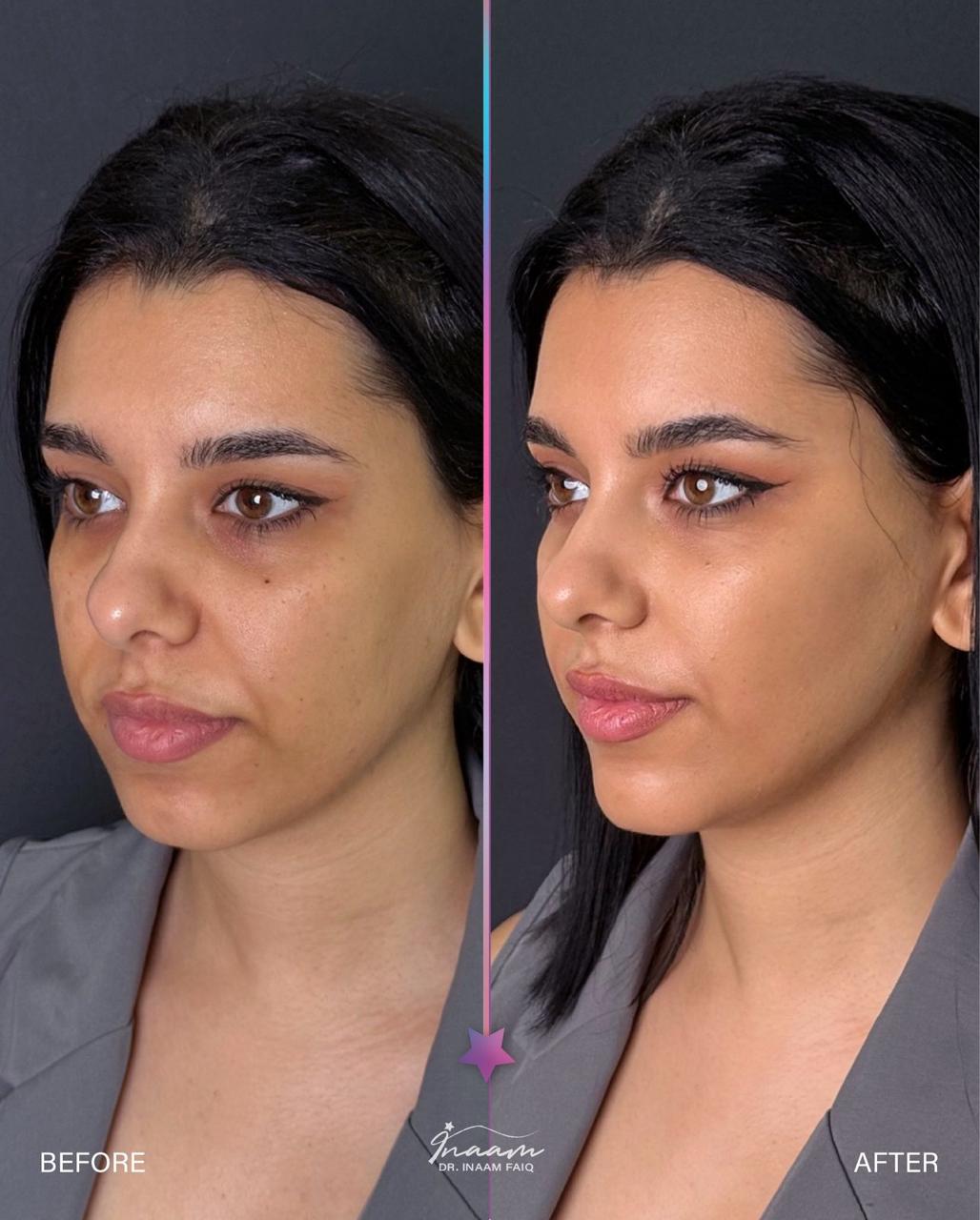
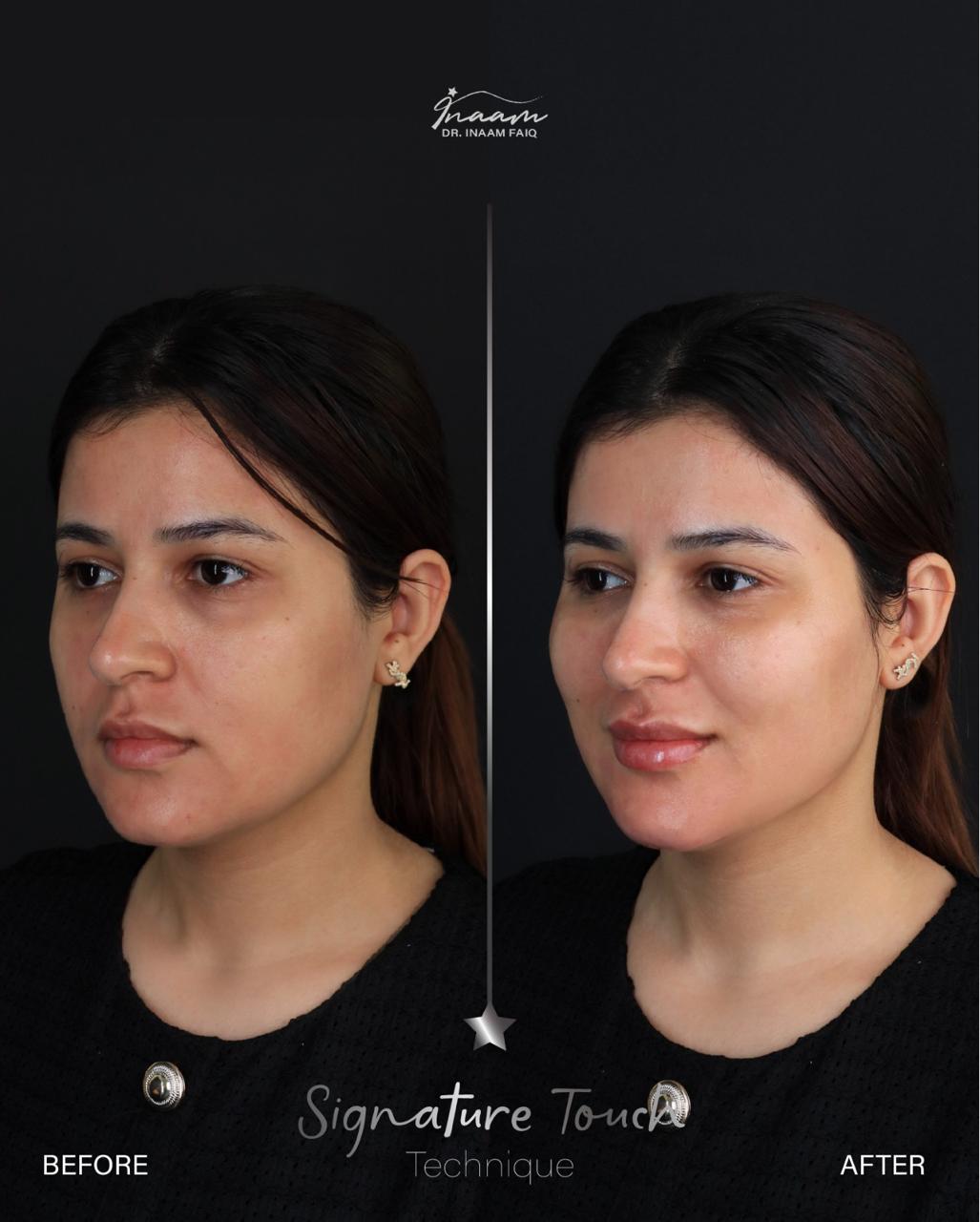
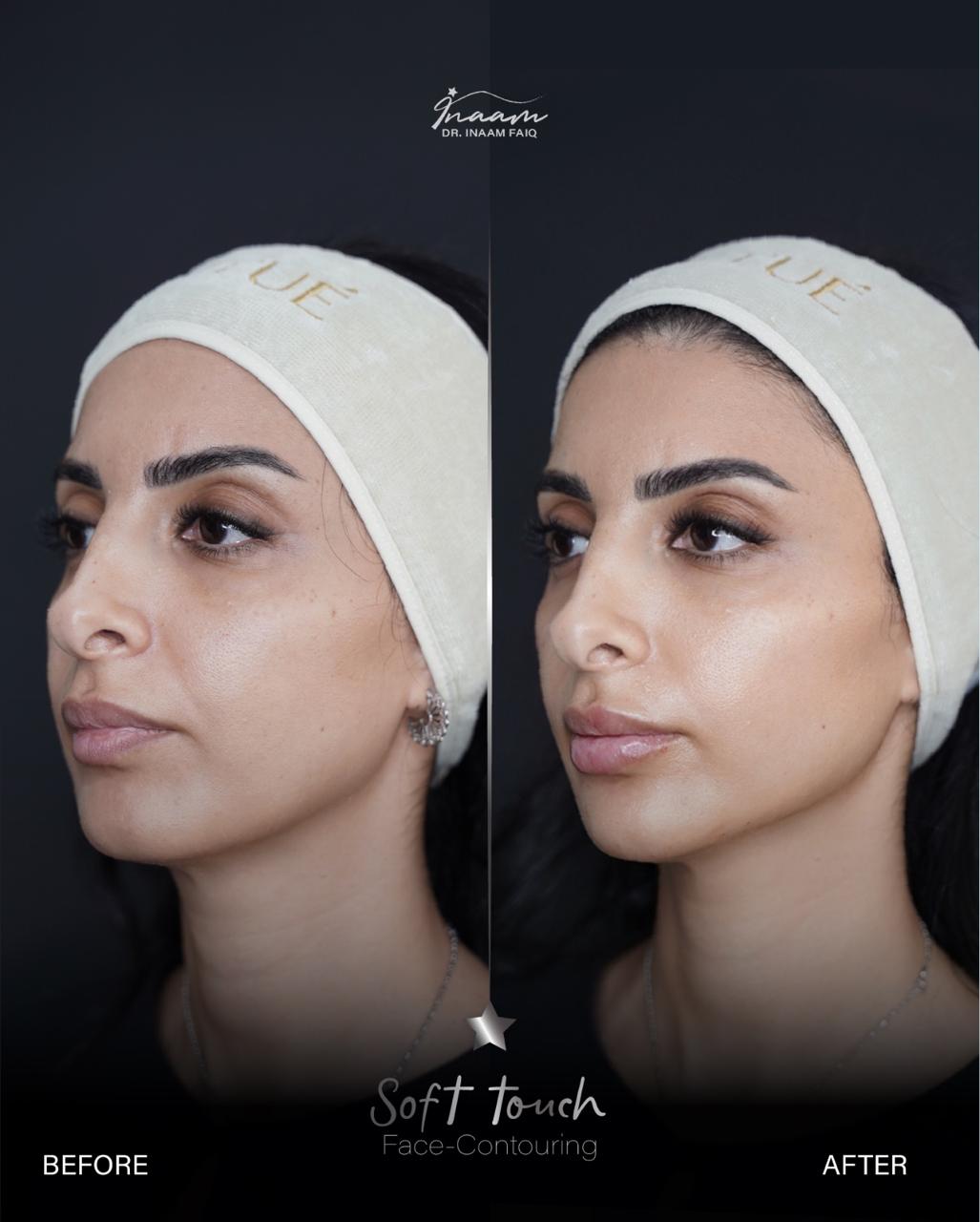
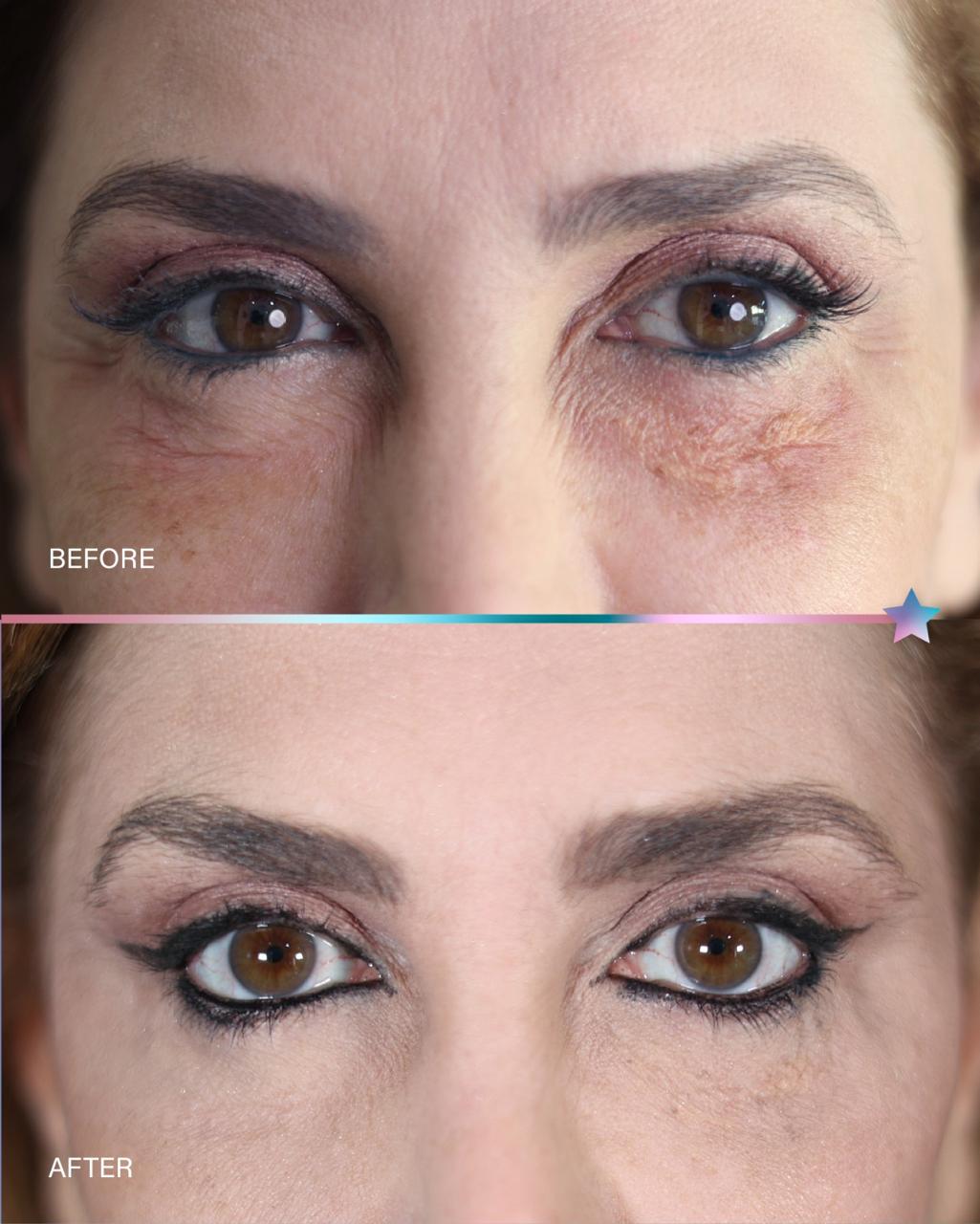
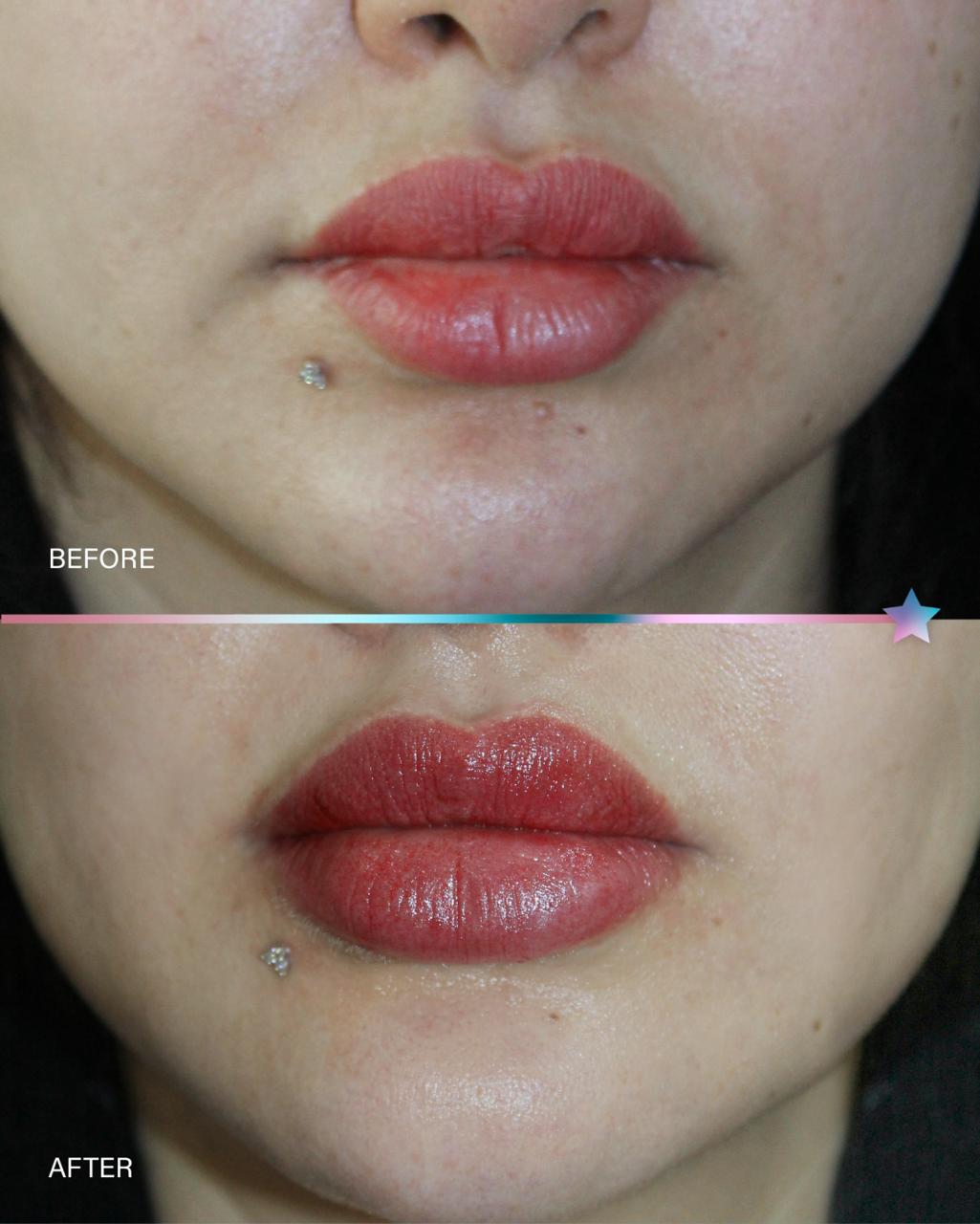
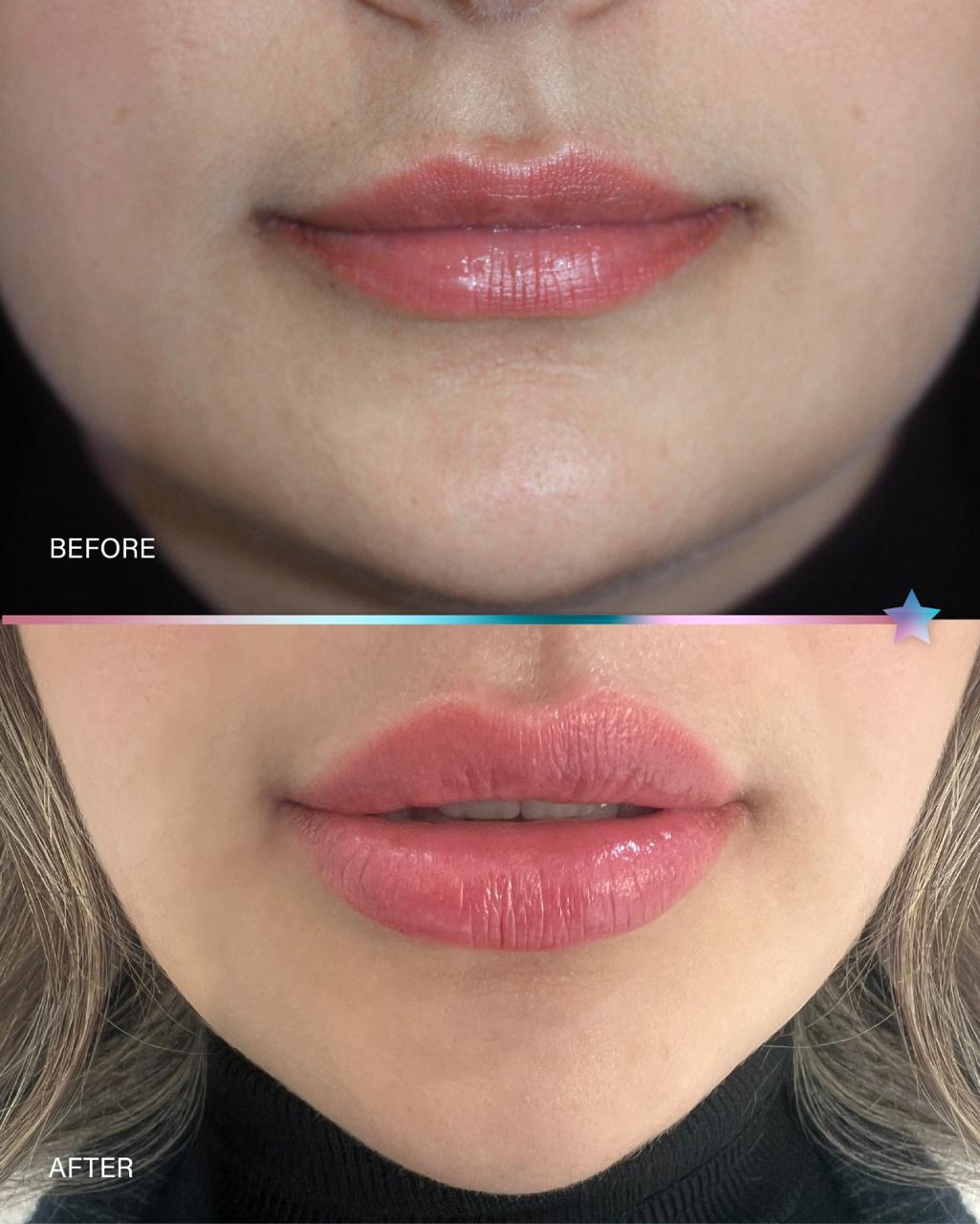
Real Procedure Results
View the results gallery → Results from Dr. Inaam's happy patients.
Browse unretouched before & after results from Dr. Inaam's patients across all treatments.
Everything patients ask before booking.
What treatments does a rejuvenation plan include?
It depends on your skin — typically a combination of skin boosters, mesotherapy, microneedling, peels and, where firmness needs help, Morpheus8. You approve every element of the plan before starting.
Can you treat the neck and hands too?
Yes — that's the point. Neck and hands age visibly and are routinely skipped; Dr. Inaam treats them alongside the face so the result is coherent.
Is there downtime?
Most plan components have minimal or no downtime — a day of pinkness at most. Anything with more recovery is flagged and scheduled around your calendar.
How soon will I see results?
Hydration and glow improve within days; firmness and texture build over 4–12 weeks as collagen responds. The plan is designed so you improve continuously.
How long do results last?
With the maintenance rhythm, indefinitely — that's the honest advantage of a plan over a one-off treatment. Skin quality becomes something you keep, not something you rent.
Is it suitable for all ages and skin tones?
Yes. The tools are chosen for your skin tone and life stage — prevention plans for 30s skin look very different from restoration plans for 50s skin.