Skin Renewal · Dubai Healthcare City
Pigmentation treatment in Dubai — even tone, done the right way.
Melasma, sun spots and post-acne marks each need a different strategy — and the wrong one makes pigment worse. Dr. Inaam diagnoses the type first, then treats it with the correct combination of lasers, peels and medical skincare.
Diagnosis first, alwaysCombined laser + peel + skincare6–12 weeks visible changeTone-safe for all skin

Not all dark spots are the same problem.
Each pigment type has its own cause and its own correct treatment — mistreating one as another is why so many patients arrive frustrated:
Each chip opens a WhatsApp chat about that exact concern — Dr. Inaam will tell you honestly whether this treatment is the right answer for you.
In Dubai's sun, pigmentation is a strategy game — and she's played it for 20 years.
Pigmentation is the most misdiagnosed concern in aesthetic medicine. Melasma treated with aggressive laser gets darker; sun damage treated with creams alone never clears. Dr. Inaam identifies the pigment type and depth first — then sequences the right tools: tone-safe lasers, targeted peels, and prescription-grade skincare that keeps pigment switched off.
This matters doubly for Middle Eastern and darker skin tones, where heavy-handed treatment triggers the very pigmentation it was meant to fix. Her protocols are built tone-safe from the start.
01
Diagnosis
Pigment type, depth and triggers identified — the step most clinics skip.
02
Your protocol
Lasers, peels and skincare sequenced for your pigment type and skin tone.
03
Treatment course
Sessions spaced 3–4 weeks apart, with progress photographed and compared.
04
Protection plan
SPF strategy and maintenance skincare — because in Dubai, prevention is half the cure.
Understanding Pigmentation: Why It Happens and How We Treat It
Pigmentation concerns are, without question, the single most common reason patients walk into my clinic here in Dubai Healthcare City. Whether it is a persistent mask of melasma that darkens every summer, scattered sun spots that have accumulated over years of Gulf living, or stubborn marks left behind by acne, the frustration is always the same: uneven skin tone that no amount of concealer fully addresses. I want to begin by explaining exactly what is happening beneath the surface, because understanding the biology of pigmentation is the first step toward treating it effectively.
The Biology of Melanin Production
Your skin colour, and any irregularities in it, originates in specialised cells called melanocytes. These cells sit in the basal layer of the epidermis, the deepest row of the outermost skin layer, and they produce a pigment called melanin. The process is driven by an enzyme known as tyrosinase, which catalyses the conversion of the amino acid tyrosine into melanin through a multi-step oxidation pathway. Once produced, melanin is packaged into small organelles called melanosomes, which are then transferred to surrounding keratinocytes, the cells that form the bulk of your epidermis. This is how melanin distributes itself across your skin, providing both colour and a degree of protection against ultraviolet radiation.
When this system works evenly, the result is a uniform complexion. When something disrupts it, whether hormones, UV exposure, inflammation, or genetic predisposition, melanocytes can become overactive or dysfunctional in localised areas. The result is hyperpigmentation: patches, spots, or diffuse areas where melanin has been deposited in excess.
Types of Pigmentation Disorders I See in Dubai
In my practice, four categories account for the vast majority of pigmentation consultations:
- Melasma is the most complex. It presents as symmetrical, blotchy patches most commonly on the cheeks, forehead, upper lip, and jawline. It is driven by a combination of hormonal influences and UV exposure, and it can involve melanin deposited in the epidermis, the dermis, or both. Melasma is extremely common in Middle Eastern and South Asian women, who make up a significant proportion of Dubai's population. Hormonal triggers include oral contraceptive use, pregnancy, and hormone replacement therapy. What makes melasma particularly challenging is that it tends to be chronic and relapsing, especially in our climate.
- Solar lentigines, commonly called sun spots or age spots, result from cumulative ultraviolet damage over years. Unlike melasma, they are well-defined, flat, brown spots that appear in sun-exposed areas. They represent localised, permanent overproduction of melanin in response to chronic UV injury to the skin. They do not fluctuate with hormones and tend to be more straightforward to treat than melasma, though they will recur without ongoing sun protection.
- Post-inflammatory hyperpigmentation (PIH) occurs when melanin is deposited in response to skin injury or inflammation. Acne is the most common culprit I see, but PIH can also follow burns, eczema flares, allergic reactions, and, critically, poorly performed cosmetic treatments. In darker skin types, PIH can persist for months or even years after the original inflammation has resolved. This is one of the reasons I am so cautious with treatment intensity in patients with deeper complexions.
- Freckles (ephelides) are genetically determined, UV-responsive spots that darken with sun exposure and may fade during winter. They differ from lentigines in that freckles involve increased melanin production without an increase in the number of melanocytes, whereas lentigines involve actual melanocyte proliferation. Freckles are typically benign and many patients find them charming, but when they cluster densely or blend with other forms of pigmentation, they can contribute to an uneven overall tone.
Why Pigmentation Is the Number One Skin Concern in Dubai
There is a reason this condition dominates dermatology clinics across the UAE. Dubai's UV index sits between 8 and 11 or higher for the majority of the year. That is classified as "very high" to "extreme" on the international scale. This relentless ultraviolet exposure is the single most powerful driver of melanin overproduction. Combine that with a population of extraordinarily diverse Fitzpatrick skin types, many of whom have melanin-rich skin that is inherently more reactive to UV stimulation, and you have the perfect conditions for pigmentation disorders to flourish. Add hormonal factors such as the widespread use of oral contraceptives among young women, the high birth rate in the region, and emerging evidence that heat itself (independent of UV) can worsen melasma, and the picture becomes clear: Dubai is, in many respects, the pigmentation capital of the world.
The Depth Distinction: Why It Determines Everything
One of the most important clinical decisions I make during a pigmentation consultation is determining the depth of pigment deposition. Epidermal pigmentation sits in the superficial layers of the skin, tends to appear brown or dark brown, and generally responds well to topical treatments and superficial procedures. Dermal pigmentation sits deeper, often appears blue-grey or grey-brown, and is far more resistant to treatment. Mixed pigmentation, which is extremely common in melasma, involves both layers simultaneously and requires a multi-pronged strategy.
To assess this, I use a Wood's lamp examination, a handheld device that emits long-wave ultraviolet light. Under Wood's lamp illumination, epidermal pigmentation becomes more pronounced and visually accentuated, while dermal pigmentation shows little change. This simple, non-invasive assessment gives me critical information about which treatments are likely to be effective and which would be futile or even counterproductive. It is one of the first things I do in every pigmentation consultation, and it frequently changes the treatment plan from what the patient might have expected.
I tell every patient the same thing at the outset: pigmentation treatment requires patience and a multi-layered approach. There is no single laser session, no single peel, and no single cream that will resolve established pigmentation overnight. What works is a carefully sequenced combination of treatments, tailored to your specific pigment type, depth, skin tone, and lifestyle, sustained consistently over months. That is not a limitation of the treatments. It is the biology of how melanin behaves.
Treatment Approaches: From Topical to In-Clinic Procedures
Effective pigmentation management always begins with a topical foundation. Regardless of what in-clinic procedures we pursue, the daily skincare regimen is not optional; it is the backbone of the treatment plan. I build every protocol from the skin outward, starting with what you apply at home and layering in-clinic treatments on top of that foundation.
Topical Foundations
The first category of topicals I prescribe are tyrosinase inhibitors, agents that interrupt the enzymatic pathway responsible for melanin production. Hydroquinone remains the gold standard, effective at concentrations of 2 to 4 percent for targeted use under medical supervision. For patients who prefer non-hydroquinone alternatives, or for long-term maintenance phases, I turn to arbutin, kojic acid, and azelaic acid, all of which inhibit tyrosinase through slightly different mechanisms and can be used safely over extended periods.
Retinoids are the second pillar. Tretinoin, retinaldehyde, and adapalene accelerate keratinocyte turnover, which promotes the dispersion and shedding of melanin-laden cells from the epidermis. They also improve the penetration of other active ingredients and, over time, contribute to more uniform melanin distribution. I introduce retinoids gradually, particularly in sensitive or darker skin types, to avoid irritation that could itself trigger post-inflammatory hyperpigmentation.
Vitamin C, specifically L-ascorbic acid in stable formulations, functions as an antioxidant that neutralises free radicals generated by UV exposure. It also provides mild tyrosinase inhibition. While vitamin C alone is rarely sufficient to treat established pigmentation, it is an excellent adjunct that supports the overall brightening strategy and provides photoprotective benefits.
And then there is sunscreen. I cannot overstate this: broad-spectrum SPF 50+ is the single most important pigmentation treatment I prescribe. Every other intervention, topical or procedural, is undermined if the skin is not consistently protected from ultraviolet radiation. In Dubai, this means daily application year-round, rain or shine, indoors or outdoors, reapplied every two hours during any significant sun exposure. Without this, we are fighting a losing battle.
In-Clinic Procedures
Chemical peels are among the most reliable tools for pigmentation reduction. I use mandelic acid peels frequently because mandelic acid has a larger molecular weight, which means slower and more uniform penetration, making it particularly safe for darker skin types. Glycolic acid peels at carefully titrated concentrations are effective for epidermal pigmentation. Modified Jessner's solution combines lactic acid, salicylic acid, and resorcinol for a synergistic peeling effect. For isolated, resistant lesions, targeted trichloroacetic acid (TCA) application can be highly effective, though this requires precise technique and appropriate patient selection.
Microneedling creates controlled micro-injuries that break up superficial pigment deposits and, critically, enhance the penetration of topical depigmenting agents applied immediately after treatment. The mechanical disruption of the dermal-epidermal junction can help redistribute melanin, and the wound healing response promotes collagen remodelling that contributes to a more even-toned result over time.
Laser treatments have a carefully defined role in pigmentation management. Fractional CO2 laser resurfacing is reserved for cases involving deep textural irregularity alongside pigmentation, where the controlled thermal injury and subsequent remodelling can address both concerns simultaneously. Pulsed dye laser (PDL) is useful when pigmentation coexists with vascular components, such as the erythematous background often seen in melasma or post-inflammatory changes.
In practice, I rarely rely on a single modality. Combination protocols, where we sequence different treatments to target different aspects of pigmentation simultaneously, consistently outperform any single approach. A typical protocol might begin with topical preparation for four to six weeks, followed by a series of peels or microneedling sessions, with ongoing topical maintenance throughout.
Managing Expectations: Timeline and the Melasma Challenge
I am transparent with patients from the first consultation: meaningful improvement in pigmentation takes three to six months or longer. Melanin that has taken years to accumulate does not disappear in weeks. Each treatment cycle builds incrementally on the last, and the full result often only becomes apparent after several months of consistent effort.
Melasma, in particular, must be understood as a chronic condition rather than a problem to be solved once. It can be managed beautifully, often to the point where it is virtually invisible, but it requires ongoing maintenance. Hormonal fluctuations, UV exposure, and even heat can trigger recurrence. Patients who understand this from the outset are far more satisfied with their results, because their expectations align with the biological reality.
I must also address a critical safety point: aggressive treatments, particularly high-energy lasers and deep peels, can worsen pigmentation in darker skin types by triggering rebound hyperpigmentation. The inflammatory response from an overly aggressive treatment stimulates the very melanocytes we are trying to calm. This is precisely why I favour a graduated, conservative approach, especially in the initial phases of treatment.
Safety, Skin Tone Considerations and the Dubai Factor
Treating pigmentation safely and effectively in Dubai requires a fundamentally different approach from what you might read about in textbooks written for Northern European or North American populations. The majority of my patients fall within Fitzpatrick skin types IV through VI, encompassing the rich diversity of Middle Eastern, South Asian, East African, and Southeast Asian complexions that make up this city. These skin types are beautiful, resilient, and age exceptionally well in many respects, but they demand specific protocols when it comes to pigmentation treatment.
The Melanin Paradox
There is an inherent paradox in melanin-rich skin: the very pigment that provides superior photoprotection and a reduced risk of skin cancer also makes the skin more prone to pigmentation disorders and more reactive to treatments that target pigment. Melanocytes in darker skin types are more numerous, more active, and more easily stimulated by inflammation, heat, and UV exposure. This means that any treatment causing significant inflammation carries the risk of triggering the exact problem we are trying to resolve. It is a narrow therapeutic window, and navigating it requires experience and restraint.
The Treatment Intensity Ladder
My guiding principle is simple: start conservative and escalate gradually based on the skin's response. I would rather achieve a slower, safer improvement over five or six sessions than risk a dramatic worsening from a single aggressive treatment. This is not timidity; it is clinical prudence informed by the evidence and by years of treating pigmentation in this specific population.
Treatments I approach with particular caution in darker skin types include:
- High-fluence Q-switched and picosecond lasers directed at pigmentation, which carry a significant risk of post-inflammatory hyperpigmentation or paradoxical darkening in Fitzpatrick IV-VI skin. These are not categorically excluded, but they require careful patient selection, test spots, and conservative parameters.
- Deep chemical peels, particularly medium-depth TCA peels applied broadly, which can trigger prolonged erythema and subsequent hyperpigmentation in reactive skin types.
- Aggressive microneedling at depths beyond 1.5 millimetres or with excessive pass counts, which creates inflammation disproportionate to the therapeutic benefit in pigmentation cases.
Safe and effective first-line approaches for darker skin include:
- Low-concentration chemical peels such as mandelic acid at 30 to 40 percent, lactic acid peels, and superficial glycolic peels, performed in a series and gradually increasing in concentration as tolerance is established.
- Conservative microneedling at depths of 0.5 to 1.0 millimetres, combined with depigmenting serums for enhanced topical penetration without excessive dermal injury.
- Comprehensive topical protocols combining tyrosinase inhibitors, retinoids, and rigorous photoprotection, which form the indispensable foundation regardless of what procedural treatments are added.
Contraindications and Precautions
There are situations where I will delay or decline pigmentation treatment entirely. Active tanning or recent significant sun exposure means the melanocytes are already in a heightened state of activity, and treating at that point increases the risk of adverse outcomes. Pregnancy is a contraindication for hydroquinone and several procedural treatments. Patients currently on isotretinoin, or who have completed it within the past six months, have impaired wound healing that makes peels and energy-based devices inadvisable. Any active skin infection in the treatment area must be resolved before we proceed.
Dubai-Specific Lifestyle Guidance
Living in Dubai means your pigmentation management extends well beyond the clinic. I counsel every patient on the following:
- Year-round sunscreen application is mandatory, not seasonal. Even in December, Dubai's UV index can reach 5 or 6, which is sufficient to trigger melanocyte activity. During summer months, reapplication every two hours during any outdoor exposure is essential, and I recommend setting a phone reminder until it becomes habitual.
- Physical sun protection matters as much as chemical protection. Wide-brimmed hats, UV-protective clothing, and seeking shade during peak hours are not cosmetic advice; they are medical recommendations that directly impact treatment outcomes.
- Avoiding peak sun hours between 10am and 4pm during summer is strongly advised, particularly during the active treatment phase. I recognise this is challenging in a city where much of life happens outdoors, but even modest adjustments make a measurable difference.
- Iron oxide-containing sunscreens deserve specific mention. Emerging evidence demonstrates that visible light, not just ultraviolet radiation, can stimulate melanogenesis, particularly in darker skin types. Tinted sunscreens containing iron oxide filter visible light wavelengths that standard SPF ratings do not account for. For melasma patients, this is an important additional layer of protection.
Seasonal Strategy and Long-Term Commitment
I often recommend initiating more intensive treatment phases during the cooler months from October through March, when UV exposure is relatively lower and patients are less likely to be spending extended periods outdoors. This does not mean we do nothing during summer; maintenance protocols continue year-round. But the window of reduced solar intensity provides a more favourable environment for treatments like chemical peels and microneedling, where post-procedure sun exposure is particularly detrimental.
Pigmentation management is a lifelong commitment, not a one-time treatment. The melanocytes that produced excess pigment remain in the skin, and given the right trigger, they will produce excess pigment again. Maintenance protocols, which typically involve ongoing topical therapy, periodic in-clinic treatments, and unfailing sun protection, are what keep results stable over years rather than months.
One advantage of seeking treatment in a hospital-based setting such as Dubai Healthcare City is access to dermatoscopic assessment for any pigmented lesion that warrants closer evaluation, clinical-grade products whose provenance and formulation are assured, and the medical supervision that allows for safe use of prescription-strength agents and professional-grade procedures. This is particularly relevant in a market where unregulated products and poorly trained practitioners can cause more harm than the original condition.
Clinical Evidence and References
Every treatment protocol I design is grounded in the published clinical literature. Pigmentation management has a robust evidence base, and I believe patients deserve to know that their treatment plan reflects rigorous science rather than passing trends or marketing claims. Below are several key studies that inform my approach:
Ogbechie-Godec and Elbuluk (2017) published a comprehensive review of melasma in the Journal of Clinical and Aesthetic Dermatology, synthesising current understanding of the condition's pathophysiology, epidemiology, and treatment. Their work reinforced the multifactorial nature of melasma, the central role of UV protection, and the importance of combination therapy. This review is particularly valuable because it addresses the challenges of treating melasma in patients with skin of colour, which is directly relevant to the population I see daily.
Sarkar et al. (2013) published a landmark paper focused specifically on melasma in darker-skinned patients, addressing the unique challenges of higher Fitzpatrick skin types. Their work highlighted the increased prevalence and severity of melasma in South Asian and Middle Eastern populations, the higher rates of dermal and mixed-type melasma in these groups, and the need for modified treatment protocols that prioritise safety alongside efficacy. Their recommendations for conservative initial approaches and extended treatment timelines closely align with the protocols I follow in my clinic.
Rodrigues and Pandya (2015) developed a structured hyperpigmentation treatment algorithm that provides a rational, step-wise approach to managing different types of pigmentary disorders. Their framework distinguishes between epidermal and dermal pigmentation, recommends specific first-line, second-line, and third-line therapies based on the type and depth of pigmentation, and emphasises the role of maintenance therapy in preventing recurrence. This algorithmic approach has significantly influenced how I structure long-term treatment plans for my patients.
Handel et al. (2014) published a clinical and epidemiological review of melasma that examined risk factors, triggers, and outcomes across large patient populations. Their findings underscored the strong association between melasma and hormonal factors, particularly oral contraceptive use and pregnancy. They also documented the chronic, relapsing nature of the condition and the high recurrence rates observed even after successful treatment, reinforcing the message that ongoing management is essential.
An Evidence-Based Philosophy
The aesthetic medicine landscape is saturated with novel devices, proprietary protocols, and marketing-driven trends that promise rapid, dramatic results. Some of these innovations prove genuinely beneficial; many do not. My commitment is to adopt new treatments only when they are supported by reproducible clinical evidence and to be transparent with patients when a treatment is well-established versus when it is emerging and less certain. Pigmentation, more than almost any other aesthetic concern, punishes practitioners who prioritise novelty over safety. The consequences of a poorly chosen treatment, months of worsened pigmentation, scarring, or loss of patient trust, are simply too significant to justify chasing trends.
If you are living with pigmentation that affects your confidence or comfort, I encourage you to book a consultation so we can assess your specific condition, determine the depth and type of pigmentation involved, and design a treatment plan tailored to your skin type, lifestyle, and goals. A thorough initial assessment is the foundation of everything that follows, and it is always my first recommendation.
Real Procedure Results
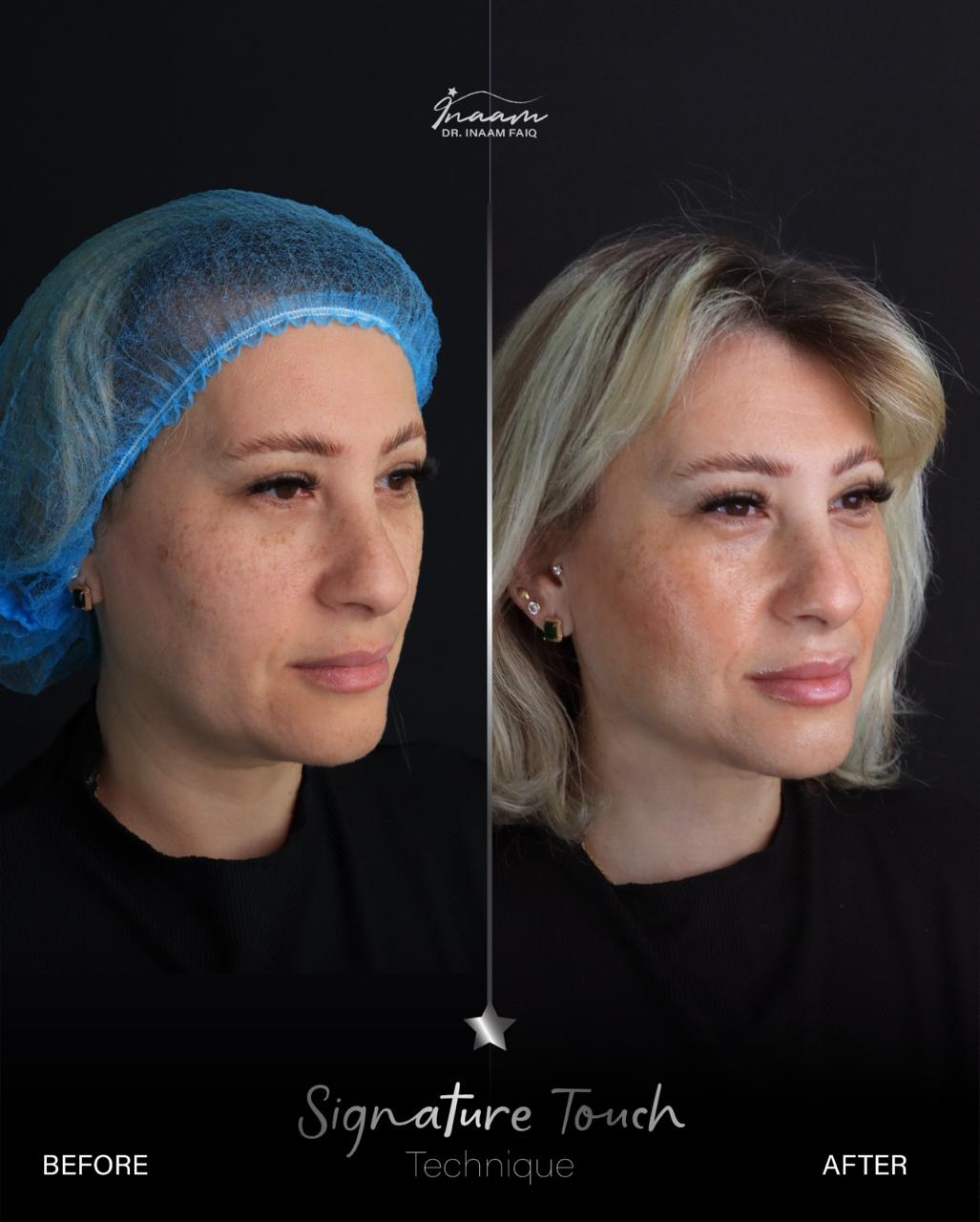
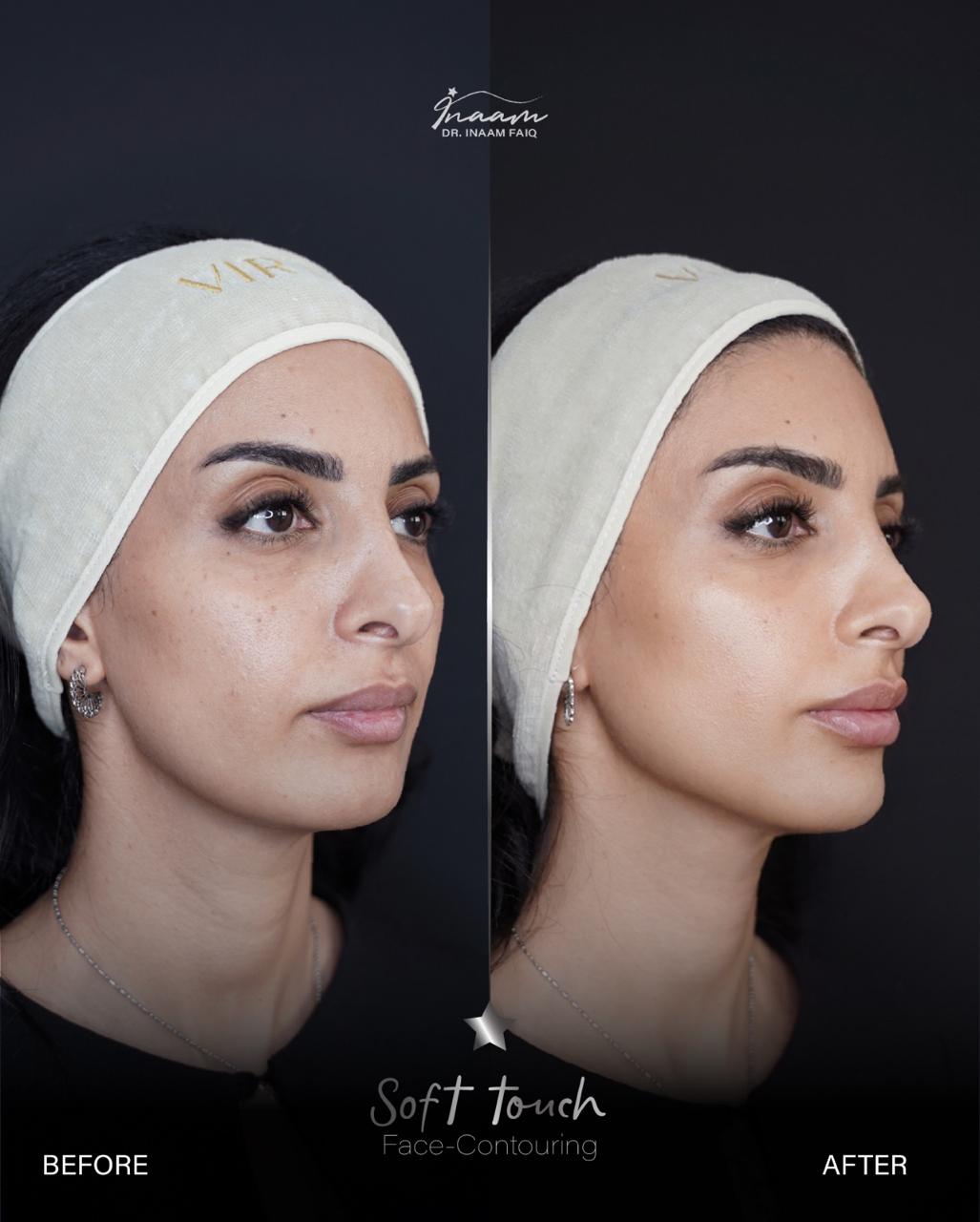
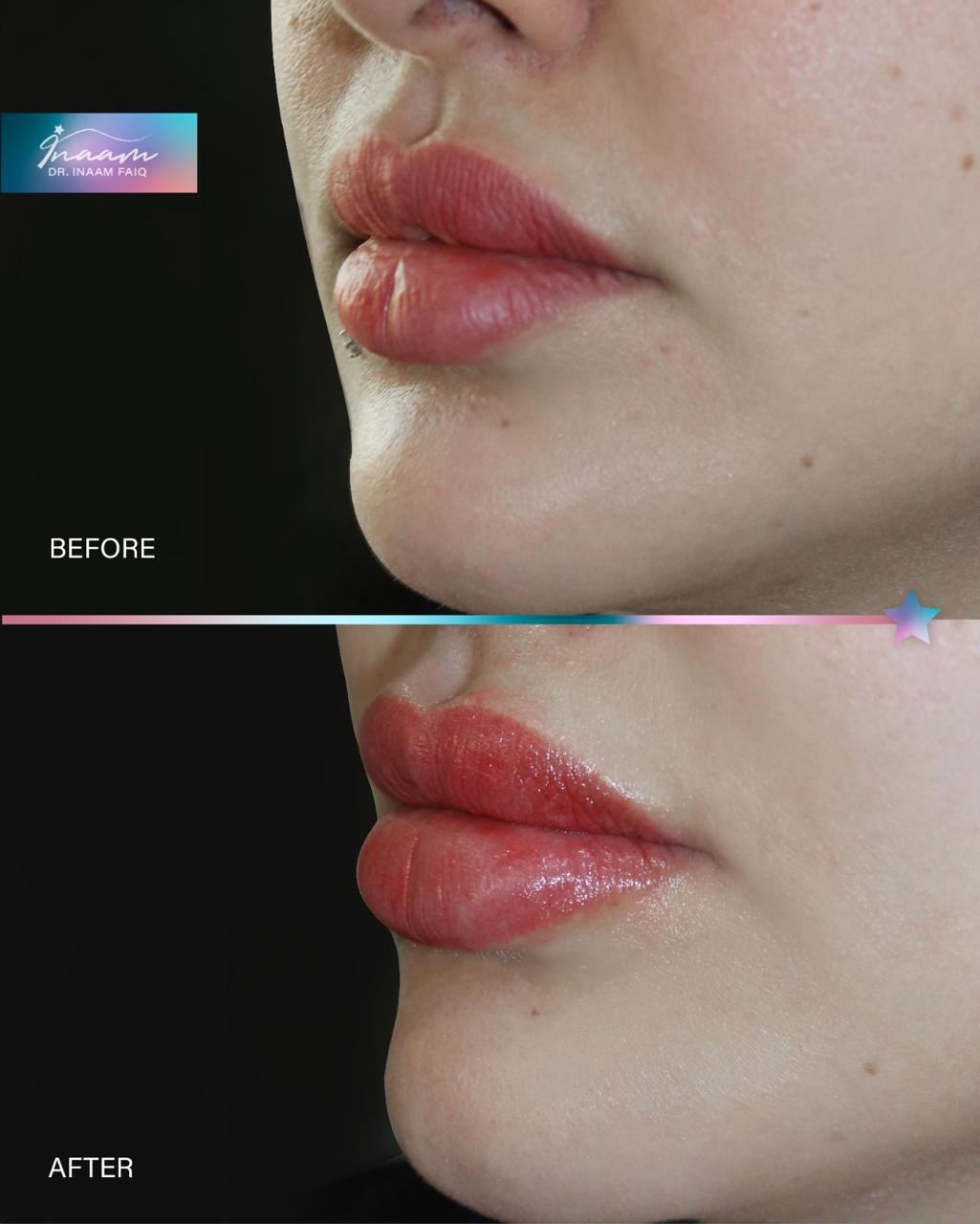
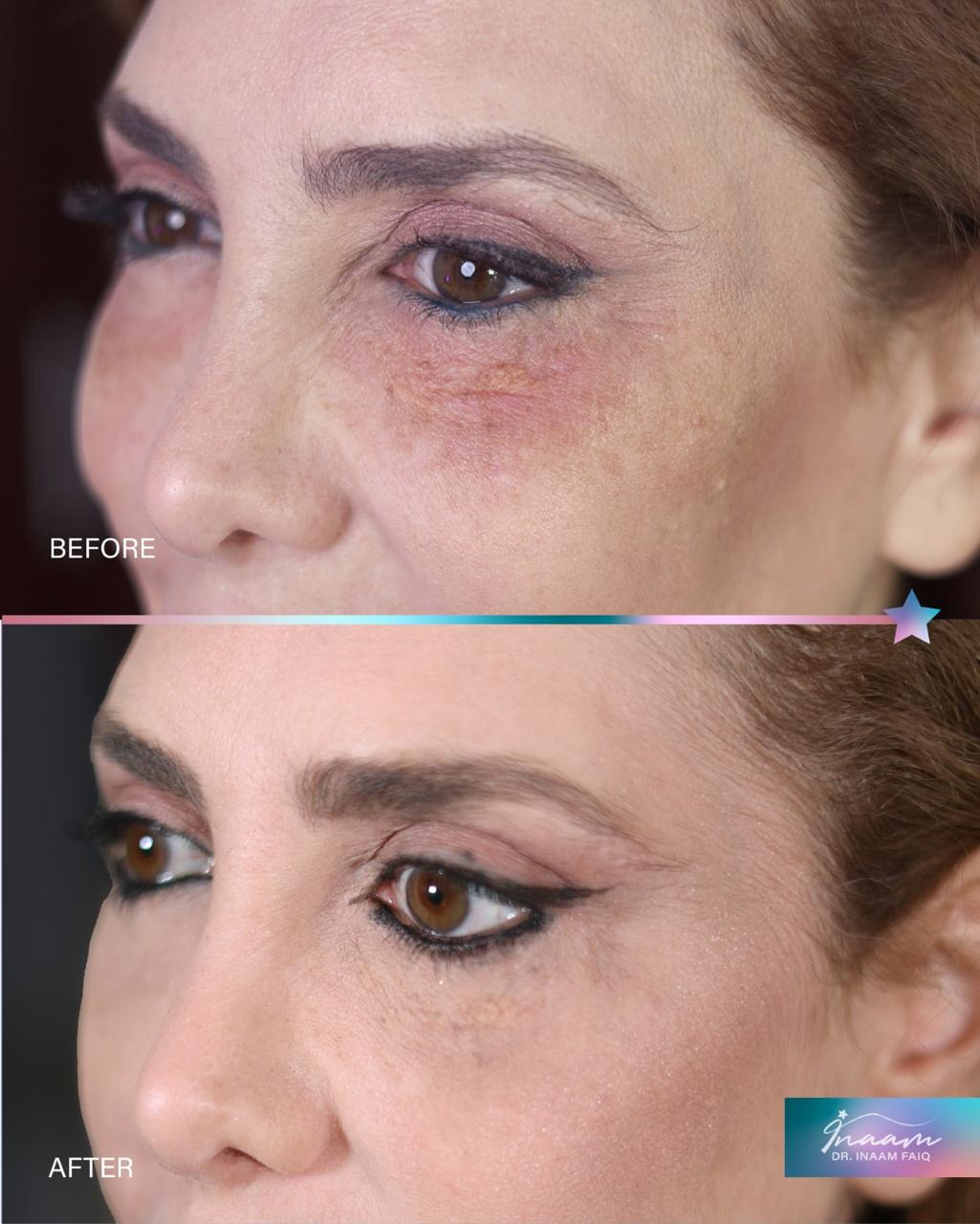
View the results gallery → Results from Dr. Inaam's happy patients.
Browse unretouched before & after results from Dr. Inaam's patients across all treatments.
Everything patients ask before booking.
Can melasma be cured?
Melasma is managed, not cured — anyone promising a permanent cure is overselling. The honest goal: fade it significantly, then keep it suppressed with the right skincare and sun strategy. Done properly, the difference is dramatic.
How long until I see results?
First improvement usually within 4–6 weeks; meaningful clearing over 2–3 months of the protocol. Deeper pigment takes longer than surface spots.
Is treatment safe for darker skin?
Yes — when tone-safe tools and settings are used. This is Dr. Inaam's core caution: protocols are designed per skin tone to clear pigment without triggering more.
Why did previous treatments make it worse?
Almost always: wrong diagnosis or too much heat. Melasma in particular flares with aggressive lasers. A correct diagnosis resets the strategy.
Do I really need the skincare part?
Yes — lasers and peels remove pigment, but daily skincare and SPF stop it coming back. Skipping it is how results get undone in one summer.
Will the results last?
Cleared sun spots and post-acne marks can stay gone. Melasma requires the maintenance plan — most patients keep excellent results with a simple daily routine and periodic top-ups.