Skin Renewal · Dubai Healthcare City
Dermapen microneedling in Dubai — collagen, reawakened.
Thousands of controlled micro-channels tell your skin one thing: rebuild. Dermapen microneedling triggers your own collagen for smoother texture, tighter pores and healthier skin — no heat, no harsh chemicals.
30–45 min session1–2 days pinkness3–6 sessions typicalFrom week 2 results build

The gentle fix for skin that lost its polish.
Microneedling is the workhorse of skin quality — subtle, repeatable, and effective on:
Each chip opens a WhatsApp chat about that exact concern — Dr. Inaam will tell you honestly whether this treatment is the right answer for you.
Depth, technique and what goes on the skin — that's the difference.
Needle depth must change across the face — deeper on cheeks, featherlight around the eyes. Dr. Inaam performs every Dermapen session herself, adjusting depth zone by zone and pairing the channels with medical-grade serums chosen for your skin, so the micro-channels deliver actives where they actually work.
She will also tell you honestly when microneedling is not enough — deep scarring, for example, responds better to Morpheus8 or CO2 laser, and you'll be guided to the right tool rather than sold more sessions.
01
Consultation
Skin assessment and an honest answer: is Dermapen the right depth of treatment for your concern?
02
Numbing & prep
Topical numbing for 20–30 minutes; skin cleansed and prepped.
03
The treatment
30–45 minutes of precision microneedling with targeted serums.
04
Glow & repeat
Pinkness fades in 1–2 days; sessions build monthly toward lasting skin quality.
How Dermapen Microneedling Works: The Science of Controlled Skin Injury
One of the questions I hear most often in my clinic is a simple one: how can creating tiny wounds in the skin actually make it look better? It is a fair question, and the answer lies in a well-established biological principle called collagen induction therapy, or CIT. Your skin is not a passive barrier. It is a living organ with a sophisticated repair system, and Dermapen microneedling works by harnessing that system with exceptional precision.
Collagen induction therapy: harnessing your body's own repair mechanism
The underlying concept is straightforward. When the skin sustains a controlled micro-injury, it responds with a carefully orchestrated wound healing cascade. This is the same cascade that heals a paper cut or a graze, but because the injuries created by Dermapen are so small and so uniform, the result is not scar tissue. Instead, it is new, well-organized collagen and elastin, the structural proteins that give youthful skin its firmness, bounce, and smooth texture.
The Dermapen device is a motorized pen fitted with a sterile, single-use cartridge containing fine surgical-grade needles. When I activate it, the pen oscillates at high speed, driving those needles vertically into the skin to create thousands of micro-channels per second. The depth is adjustable from 0.25 mm up to 2.5 mm, which means I can calibrate the treatment precisely for each area of the face and for each patient's specific concern. This level of control is one of the features that sets Dermapen apart from older microneedling methods.
The three phases of wound healing
Once those micro-channels are created, your body initiates a three-phase healing response that unfolds over the following weeks and months:
- Inflammation phase (hours to days) — The body recognises the micro-injuries and dispatches platelets and neutrophils to the area. Growth factors are released, blood flow increases, and a controlled inflammatory response begins. This is why the skin appears red and feels warm immediately after treatment. It is not damage in the harmful sense; it is the ignition of repair.
- Proliferation phase (days to weeks) — New tissue begins to form. Fibroblasts, the cells responsible for producing collagen, migrate to the treated area and start laying down fresh collagen type III, sometimes called "baby collagen." New blood vessels form (angiogenesis), and the micro-channels close. The skin begins to feel firmer and look more even.
- Remodelling phase (weeks to months) — This is the phase that delivers the most visible transformation. Over the following weeks and months, the initial collagen III is gradually converted into collagen type I, which is stronger, more tightly organized, and more durable. The skin's architecture is literally rebuilt from within. This is why I tell patients that the best results from microneedling are not immediate; they emerge progressively, and with each subsequent session, the cumulative improvement becomes more pronounced.
This collagen III to collagen I conversion is a crucial distinction. Collagen type I comprises approximately 80% of the collagen in healthy adult skin. When we lose it through ageing, sun damage, or scarring, the skin loses its structural integrity. Dermapen prompts the body to replace disordered or depleted collagen with fresh, properly organized fibres, effectively turning back a part of the clock at a cellular level.
Why Dermapen precision matters: motorized pen vs. dermaroller
Patients sometimes ask me whether a dermaroller, the manual rolling device available in beauty stores, delivers the same results. The short answer is no, and the reason is mechanical. A dermaroller's needles enter the skin at an angle because of the rolling motion. This creates a slight tearing action, which can lead to uneven micro-channels, more surface trauma, and inconsistent depth. The Dermapen's motorized mechanism, by contrast, drives needles straight down in a vertical stamping motion. The entry and exit are clean, the depth is uniform across every pass, and the surrounding tissue sustains less collateral disruption. For patients, this translates to faster healing, less discomfort, and more predictable clinical outcomes.
Adjustable depth for different treatment zones
Not all skin is created equal, even on the same face. The periorbital area around the eyes is among the thinnest skin on the body, sometimes less than 0.5 mm thick. The cheeks, forehead, and jawline are considerably thicker. During a Dermapen treatment, I adjust the needle depth as I move across the face: shallower depths of 0.25 to 0.5 mm around the delicate eye area and lips, moderate depths of 1.0 to 1.5 mm on the cheeks and forehead, and deeper settings of up to 2.0 or even 2.5 mm when treating established acne scars or stretch marks on the body. This zone-by-zone approach ensures that each area receives the optimal level of stimulation without unnecessary trauma.
Supercharging topical absorption
There is an additional benefit that makes Dermapen treatments particularly effective in a clinical setting. The thousands of micro-channels created during the procedure act as temporary pathways through the stratum corneum, the skin's outermost protective barrier. Research has demonstrated that this can increase the absorption of topically applied active ingredients by up to 300% compared to application on intact skin. This is why I often pair Dermapen sessions with medical-grade hyaluronic acid, growth factor serums, or platelet-rich plasma (PRP). The active ingredients reach the deeper layers of the skin where they can exert their greatest effect, an advantage that no amount of at-home serum application can replicate.
Your Recovery: What Happens After Dermapen Treatment
Transparency about what to expect after any procedure is something I consider fundamental to good patient care. Dermapen microneedling is a minimally invasive treatment with considerably less downtime than ablative procedures such as CO2 fractional laser, but it is still a treatment that creates a controlled wound response, and your skin will need time to move through its healing phases. Here is what the typical recovery timeline looks like, day by day.
Immediately after treatment
When you leave the treatment room, your skin will appear noticeably red, similar in appearance to a moderate sunburn. It may feel warm, tight, and slightly sensitive to touch. Some patients describe a mild stinging sensation. This is entirely expected and is a direct result of the inflammatory phase beginning. I apply a calming, hydrating serum immediately after the procedure to soothe the skin, and I will provide you with specific aftercare products to use over the following days.
Day 1: Peak redness
The first 24 hours typically represent the peak of visible redness and sensitivity. Mild swelling is possible, particularly if we have treated the under-eye area or if a deeper needle setting was used. The skin may feel dry and tight. I advise patients to avoid touching the face unnecessarily, to sleep on a clean pillowcase, and to use only the gentle cleanser and hydrating products I have recommended. No makeup, no active skincare ingredients, and no direct sun exposure.
Days 2 to 3: Redness fading, mild flaking
By the second and third day, redness begins to subside noticeably. Some patients experience mild flaking or a rough texture as the superficial micro-channels close and the outermost layer of skin renews itself. This is a normal part of the healing process. Most patients find they can return to work and normal social activities by day two or three, particularly if they were treated at more conservative depths. The skin is still healing beneath the surface, so sun protection remains essential.
Days 3 to 5: Skin normalizes
For the majority of patients, the skin looks and feels close to normal within three to five days. Residual pinkness may linger in patients with very fair skin, but it is easily concealed. Most patients can comfortably apply mineral makeup by day three or four. The skin may already begin to feel subtly smoother and more hydrated, though the deeper structural changes are still in their early stages.
Weeks 2 to 4: Collagen remodelling begins
This is when the real transformation starts. As the proliferation and early remodelling phases progress, fresh collagen is being laid down beneath the surface. Patients often notice improved skin texture, a subtle tightening effect, and a more luminous quality to their complexion. Fine lines may appear softer. Pores may look less prominent. The skin begins to reflect light more evenly, which is one of the hallmarks of healthy collagen architecture.
Months 1 to 3: Progressive, cumulative improvement
Collagen remodelling continues for up to three months following each session, and this is why I typically recommend a course of three to six treatments, spaced four to six weeks apart, for optimal results. Each session builds upon the collagen foundation laid by the previous one. Patients treating acne scars, hyperpigmentation, or deeper wrinkles will see the most dramatic cumulative improvement across the full course of treatment. Even after the course is complete, the skin continues to improve for several months as the final phase of collagen maturation concludes.
How does this compare to more aggressive treatments?
To put this in perspective, ablative CO2 fractional laser resurfacing, which I also offer at the clinic, typically involves seven to fourteen days of significant visible downtime, including crusting, peeling, and persistent redness that can last weeks. It is an excellent treatment for certain indications, but the recovery commitment is substantial. Dermapen microneedling achieves meaningful collagen remodelling with a recovery window measured in days rather than weeks. The trade-off is that you will need multiple sessions to achieve comparable depth of correction. For many of my patients, particularly those with active professional and social lives in Dubai, this gradual-but-gentle approach is precisely what they prefer.
Safety, Suitability and What to Know Before Your Session
Suitable for all skin types
One of the most significant clinical advantages of Dermapen microneedling is its safety across all six Fitzpatrick skin types, from very fair (type I) to deeply pigmented (type VI). This is a distinction that matters enormously in Dubai. Our patient population at AACSH in Dubai Healthcare City is extraordinarily diverse, encompassing Middle Eastern, South Asian, East Asian, African, and European skin tones. Many laser-based treatments carry an elevated risk of post-inflammatory hyperpigmentation (PIH) or hypopigmentation in darker skin types because they rely on light energy that interacts with melanin. Dermapen works purely through mechanical micro-injury. It does not target melanin, which means the risk of pigmentary complications is substantially lower. This makes it one of the most inclusive collagen-remodelling treatments available in aesthetic medicine today.
Who should wait or avoid treatment
While Dermapen is safe for the vast majority of patients, there are specific circumstances in which I will advise postponing or avoiding treatment:
- Active acne outbreaks — Microneedling over inflamed, pustular acne can spread bacteria across the skin surface and worsen the breakout. We treat the active acne first, then proceed with Dermapen once the skin has settled.
- Eczema or psoriasis flares — Treating compromised, inflamed skin risks exacerbating the condition. We wait until the flare has resolved.
- Active cold sores (herpes simplex) — Microneedling can trigger reactivation of the herpes simplex virus and spread it across the treated area. Patients with a history of cold sores may be prescribed prophylactic antiviral medication before treatment.
- Blood-thinning medications — Anticoagulants and certain supplements (such as high-dose fish oil, vitamin E, or aspirin) can increase bruising and bleeding during the procedure. I will review your medication list during consultation.
- Pregnancy and breastfeeding — As a precautionary measure, microneedling is not recommended during pregnancy or while breastfeeding.
- Active skin infections or open wounds — Any bacterial, viral, or fungal infection in the treatment area must be fully resolved before we proceed.
Expected effects and rare complications
The common, expected effects of Dermapen treatment include redness lasting 24 to 48 hours, mild swelling (particularly around the eyes), and transient skin sensitivity. These are signs of normal wound healing and resolve without intervention. Rare complications can include infection if aftercare instructions are not properly followed, and post-inflammatory hyperpigmentation if the skin is exposed to unprotected sun too soon after treatment. Both of these are preventable with proper technique and patient compliance, which is why the aftercare guidance I provide is detailed and specific.
Preparing for your treatment
To ensure the safest and most effective treatment, I ask patients to follow these preparation guidelines:
- Discontinue retinoids — Stop using tretinoin, retinol, or any retinoid-based products three to five days before your appointment. These ingredients thin the stratum corneum and increase skin sensitivity.
- Avoid prolonged sun exposure — Sunburned or heavily tanned skin should not be treated. Use broad-spectrum sunscreen daily in the week leading up to your session.
- Pause blood-thinning supplements — If medically appropriate (and with your prescribing doctor's approval for prescription medications), discontinue aspirin, ibuprofen, fish oil, and vitamin E supplements several days before treatment.
- Arrive with clean skin — On the day of treatment, come with a clean face free of makeup, sunscreen, or skincare products. We will cleanse the skin thoroughly before applying topical anaesthetic.
Post-treatment care
What you do in the days following treatment directly influences your results. I provide each patient with a tailored aftercare plan, but the core principles are consistent: use a gentle, non-foaming cleanser for the first 48 hours; apply a hydrating serum (hyaluronic acid is ideal); wear SPF 50 broad-spectrum sunscreen every day without exception; and avoid active ingredients such as retinoids, vitamin C, AHAs, and BHAs for at least 48 hours post-treatment. Avoid swimming pools, saunas, and intense exercise for 24 to 48 hours, as sweat and chlorine can irritate the healing micro-channels.
The advantage of a hospital-based clinical setting
Dermapen treatments are offered in a wide range of settings, from medical clinics to beauty salons. I perform all of my microneedling treatments at the American Academy of Cosmetic Surgery Hospital (AACSH) in Dubai Healthcare City, a DHA-regulated hospital environment. This ensures that every treatment uses sterile, single-use needle cartridges opened in front of the patient, that infection control protocols meet hospital-grade standards, and that the procedure is performed by a qualified physician with training in both the technique and the management of any complications. For a procedure that creates thousands of entry points into the skin, these safeguards are not optional; they are essential.
Combining Dermapen with other treatments
Dermapen's ability to enhance topical absorption makes it an excellent platform for combination therapies. I frequently pair microneedling with platelet-rich plasma (PRP), often referred to as the "vampire facial," where the patient's own concentrated growth factors are applied to the skin immediately after needling. Hyaluronic acid serums and medical-grade growth factor preparations can also be delivered through the micro-channels for enhanced hydration and regeneration. During your consultation, I will discuss which combination approach, if any, is best suited to your skin concerns and goals.
Clinical Evidence and Medical References
Microneedling has been the subject of a substantial and growing body of peer-reviewed clinical research. As a physician, I consider it important that the treatments I recommend are supported by evidence, not just marketing claims. Below is a summary of key studies and reviews that underpin the clinical rationale for Dermapen microneedling.
Foundational research in collagen induction
One of the landmark publications in this field is the work of Aust et al. (2008), who studied percutaneous collagen induction (PCI) for the treatment of surgical scars and demonstrated measurable improvements in scar appearance, skin texture, and collagen density following a course of microneedling sessions. This study was among the first to provide histological evidence that controlled micro-injury stimulates organised new collagen formation rather than scar tissue, establishing the scientific foundation for modern microneedling practice.
Doddaballapur (2009) published an influential review on microneedling with dermaroller, providing clinical evidence for the technique's efficacy in treating scars, wrinkles, and skin laxity. The study helped establish standard protocols for needle depth, session frequency, and patient selection that continue to inform clinical practice, and highlighted the importance of vertical needle entry, a principle that modern devices like Dermapen have since optimised through motorized engineering.
Expanding clinical applications
The review by Singh and Yadav (2016), titled Microneedling: Advances and Widening Horizons, provided a comprehensive survey of the technique's expanding indications, including acne scarring, melasma, alopecia, hyperhidrosis, and transdermal drug delivery. Their work documented how advances in device technology, particularly the transition from manual rollers to motorized pens with adjustable depth, had broadened the scope and improved the consistency of clinical outcomes.
Alster and Graham (2018) published a practical guide and review in Dermatologic Surgery that synthesized the available evidence on microneedling's mechanism of action, clinical efficacy, and safety profile. Their review confirmed that microneedling produces statistically significant improvements in skin texture, fine lines, and scar appearance, with a favourable risk profile when performed by trained practitioners using appropriate devices and techniques.
Safety across diverse skin types
The safety of microneedling in darker skin phototypes is a critical consideration for any practice serving a diverse population. Iriarte et al. (2017) conducted a systematic review examining the risk of adverse effects across Fitzpatrick skin types and concluded that microneedling carries a significantly lower risk of post-inflammatory hyperpigmentation and dyschromia compared to laser-based resurfacing procedures. This finding is particularly relevant to our patient demographic in Dubai and supports microneedling as a first-line collagen induction option for patients with Fitzpatrick types III through VI.
Efficacy for acne scarring
Cachafeiro et al. (2016) published a randomised controlled study evaluating microneedling for the treatment of atrophic acne scars. Their results demonstrated significant improvement in scar depth and overall skin texture, with high patient satisfaction scores and minimal adverse events. The study reinforced that a course of multiple sessions, typically three to six treatments spaced four to six weeks apart, produces the most meaningful and sustained results for scar remodelling.
Our commitment to evidence-based practice
These studies represent a portion of the evidence base I draw upon when designing treatment plans for my patients. Dermapen microneedling is not a trend; it is a clinically validated technique with over two decades of published research supporting its safety and efficacy. I stay current with the evolving literature so that the protocols I use reflect the most up-to-date evidence available.
If you would like to discuss whether Dermapen microneedling is appropriate for your skin concerns, or if you have questions about any of the research referenced above, I welcome you to book a consultation. Every treatment I provide begins with a thorough assessment, a clear explanation of what we can achieve together, and an honest conversation about expectations and outcomes.
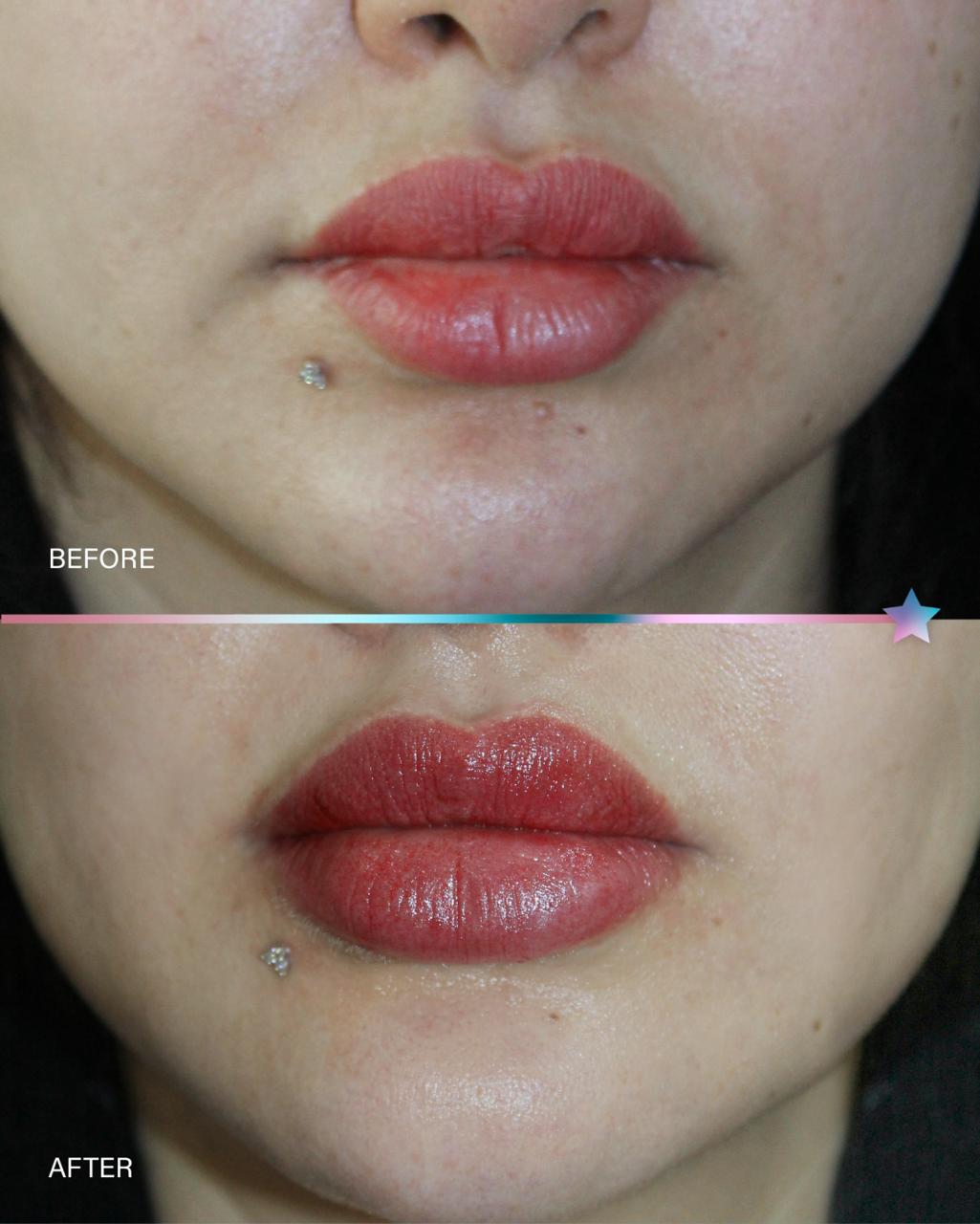
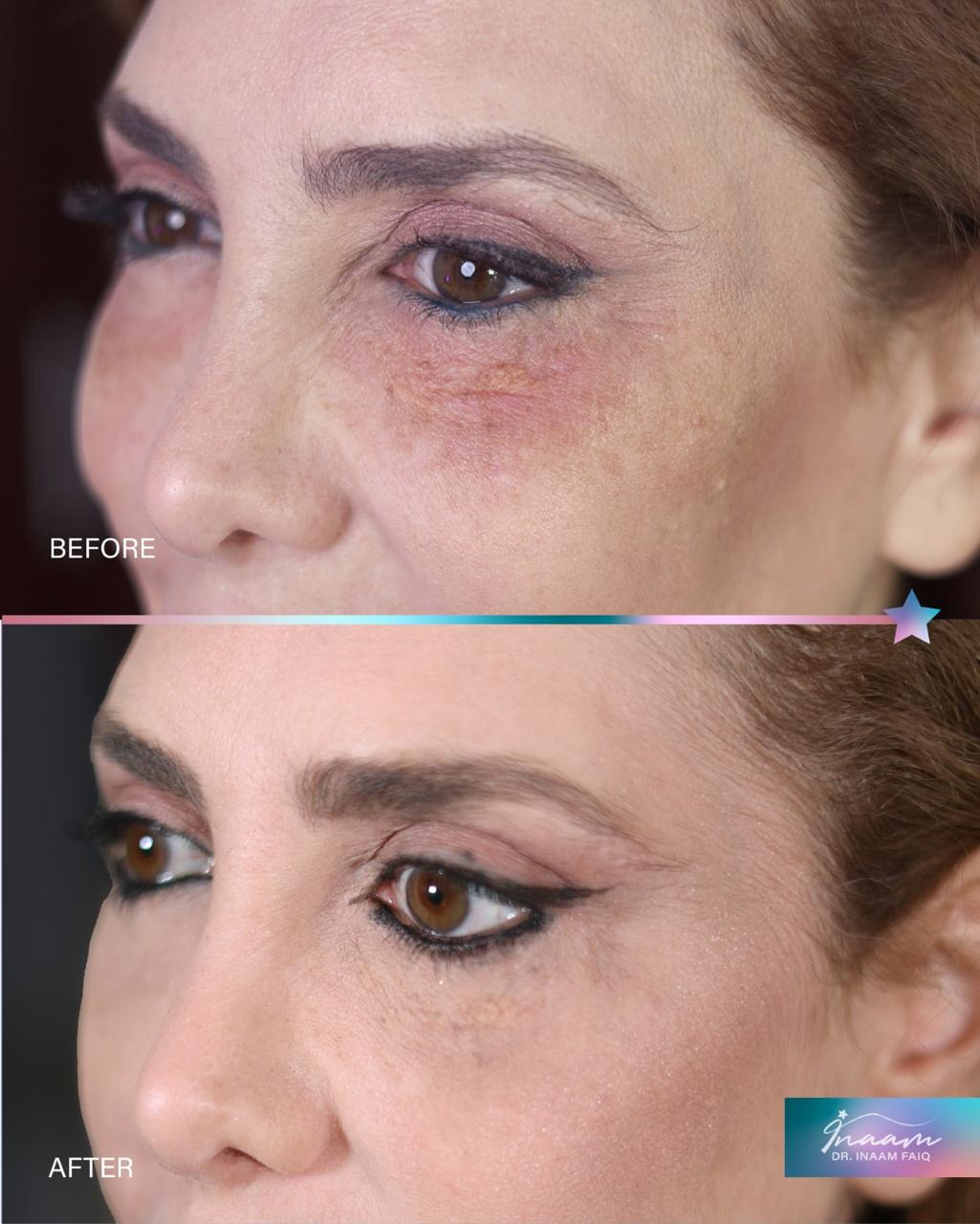
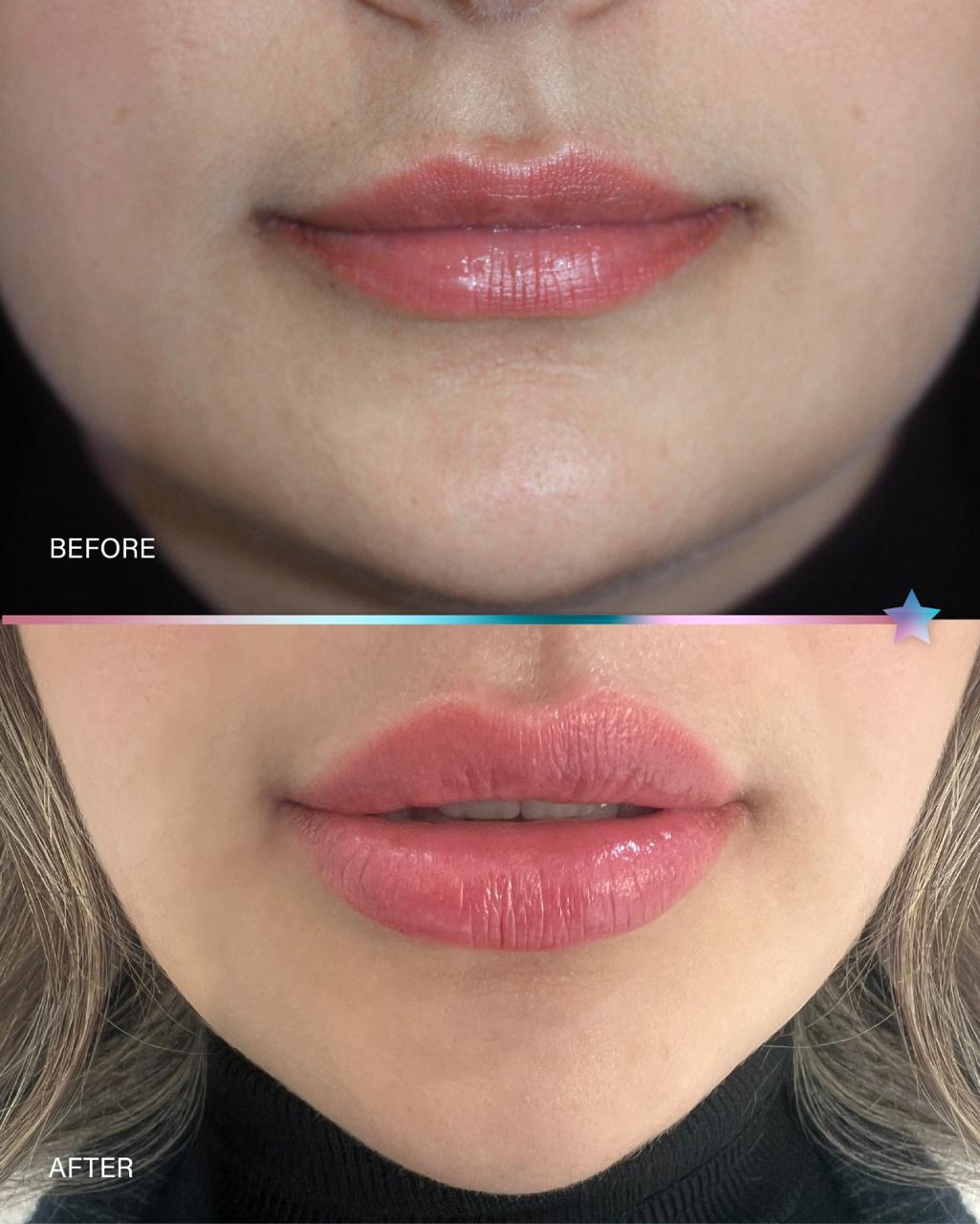
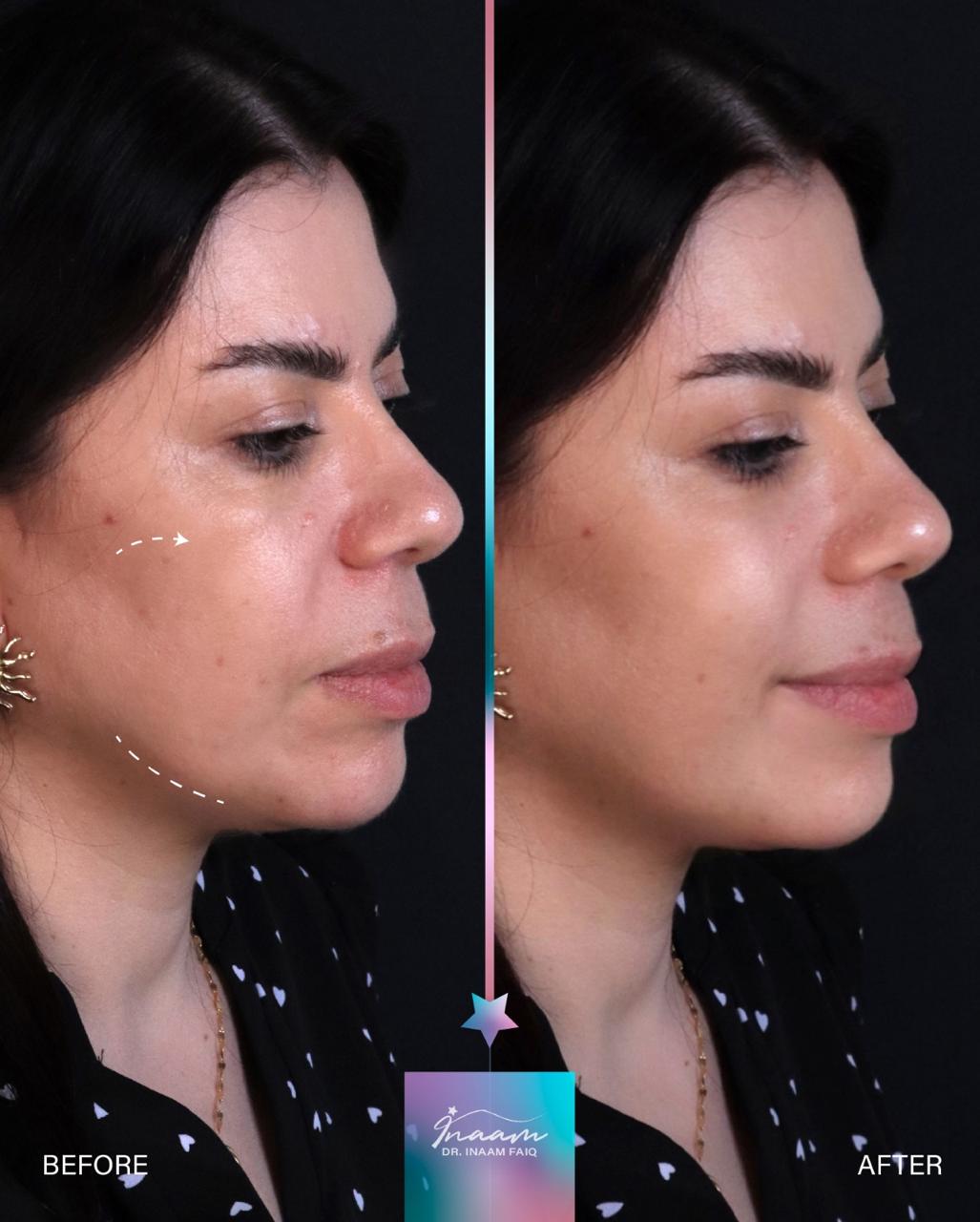
Real Procedure Results
View the results gallery → Results from Dr. Inaam's happy patients.
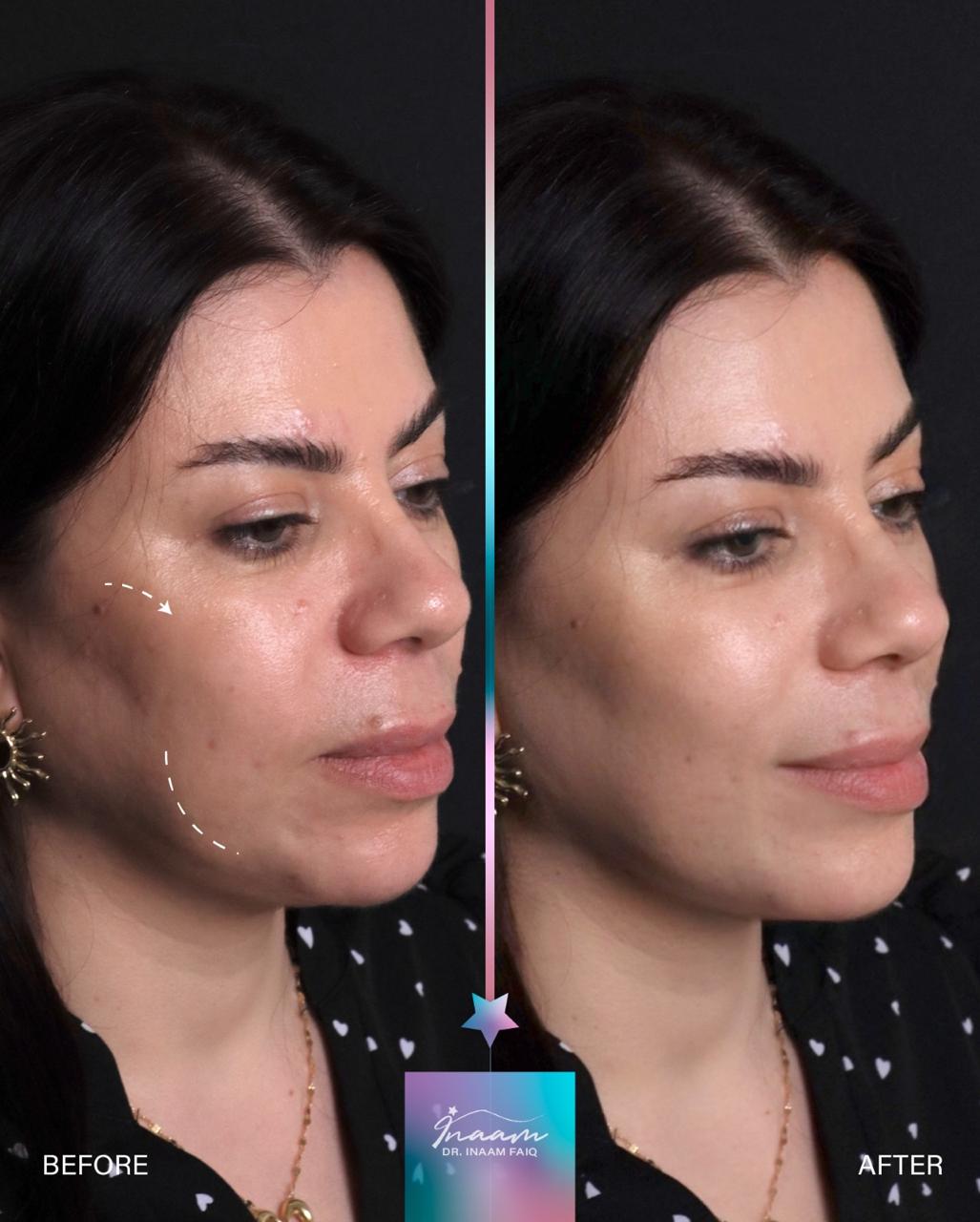
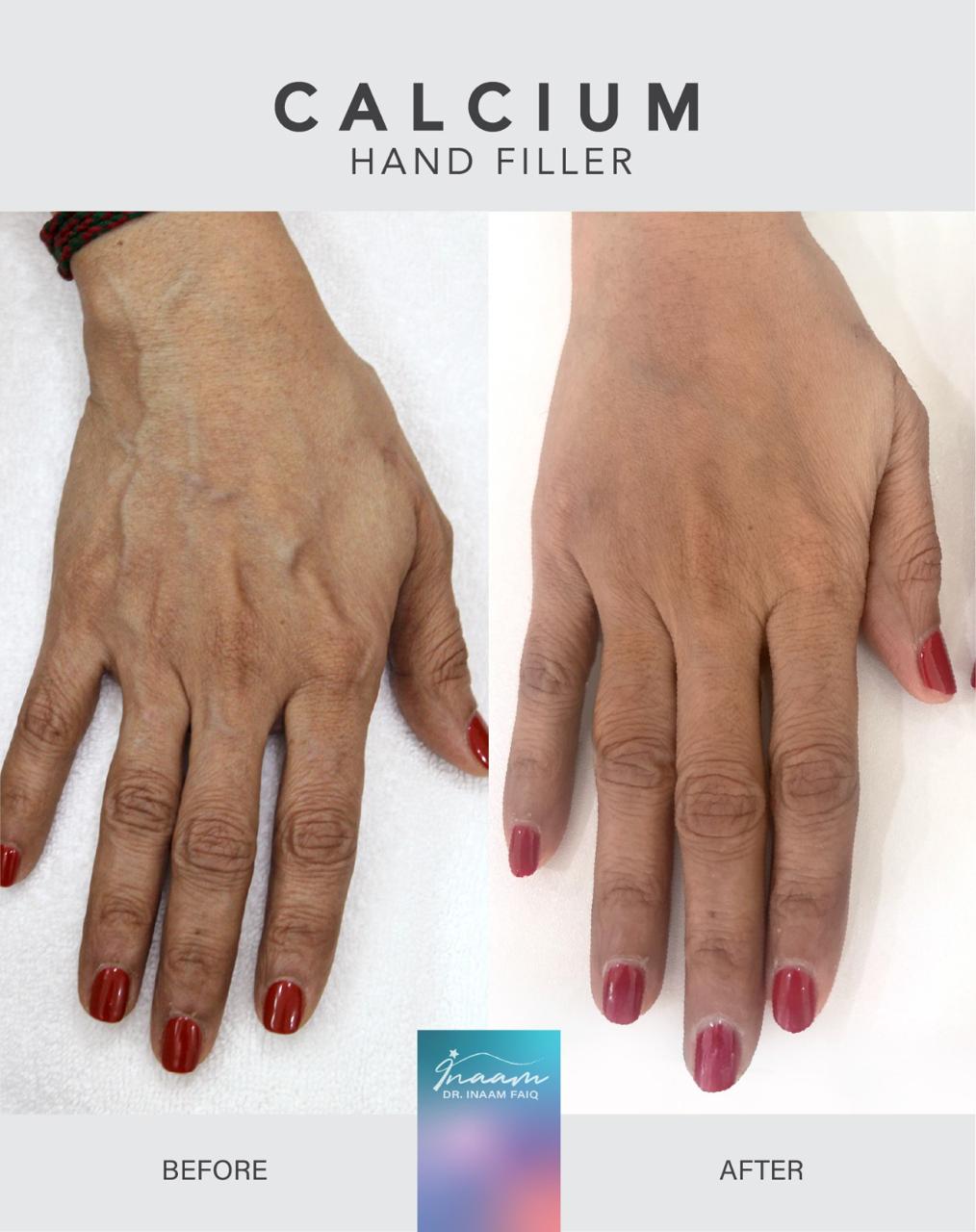
Browse unretouched before & after results from Dr. Inaam's patients across all treatments.
Everything patients ask before booking.
Does microneedling hurt?
With numbing cream it feels like light sandpaper vibration — most patients find it very tolerable.
How many sessions do I need?
Skin quality and glow: 3 sessions. Scarring or texture repair: up to 6, spaced about a month apart. You'll see improvement after each one.
What is the downtime?
Your skin looks pink, like mild sunburn, for 24–48 hours. Most patients treat in the evening and work normally the next day.
When do results show?
A fresh glow within days as circulation improves; the real collagen results build from week 2 and improve for up to 3 months after each session.
Is it safe for all skin tones?
Yes — microneedling uses no heat or light, making it one of the safest renewal treatments for every skin tone.
How is Dermapen different from home rollers?
Medical Dermapen reaches controlled, sterile depths a home roller legally can't — and shouldn't. Home devices risk scarring and infection for a fraction of the result.