Injectables & Lifting · Dubai Healthcare City
Thread lift in Dubai — a lift without the surgery.
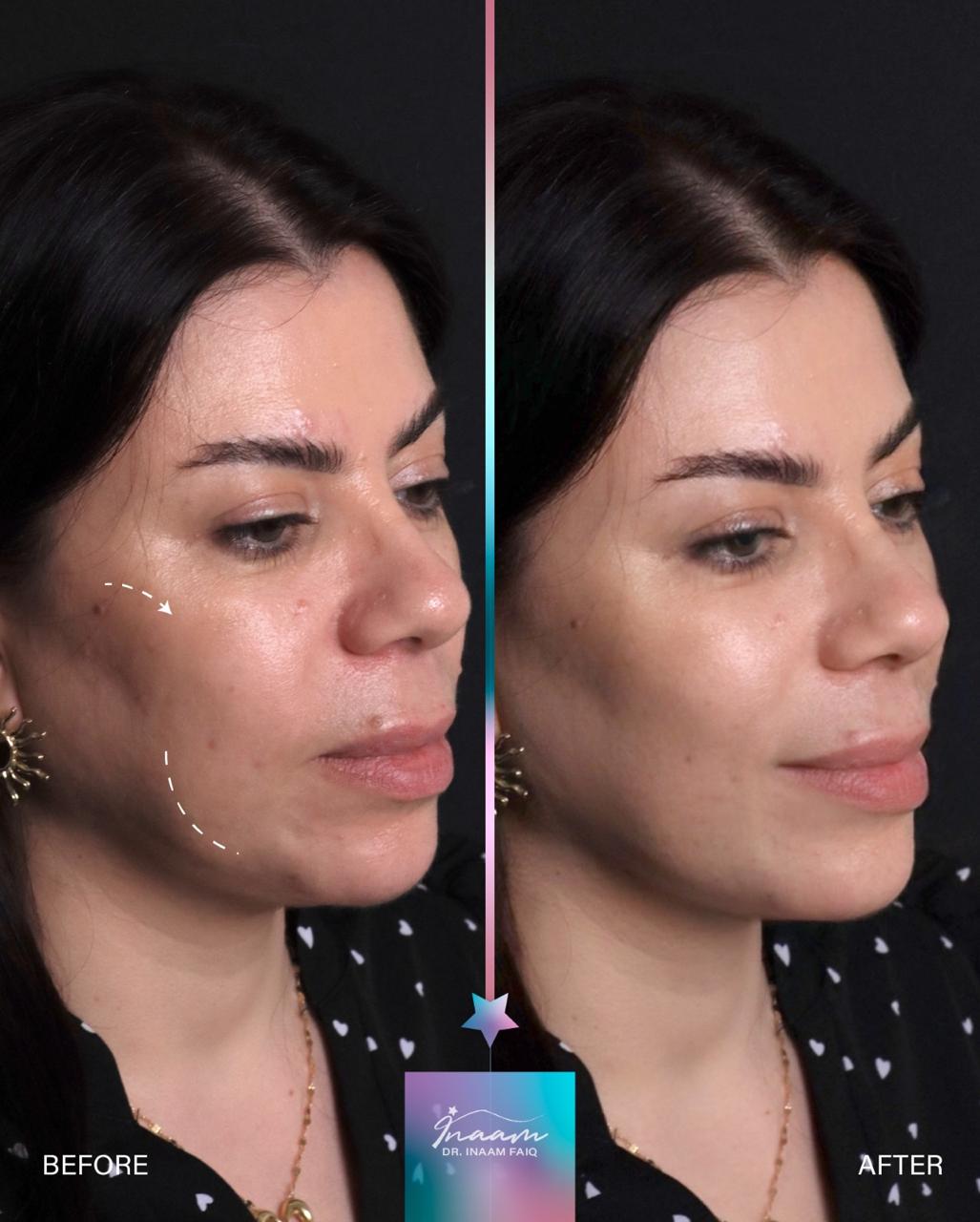
Dissolvable medical threads placed under the skin lift sagging tissue instantly — then keep working, stimulating collagen along their path for months. The non-surgical answer to jowls, soft jawlines and dropping cheeks.
45–60 min procedure2–5 days social downtimeInstant lift + collagen after12–18 months duration

When skin needs lifting — not filling.
Volume loss needs filler; descent needs a lift. Threads are the right tool when gravity is the problem:
Each chip opens a WhatsApp chat about that exact concern — Dr. Inaam will tell you honestly whether this treatment is the right answer for you.
Vector, depth and restraint — a thread lift is applied anatomy.
A thread lift succeeds or fails on planning: which vectors to lift along, how many threads, and at what depth — decisions that come from knowing facial anatomy intimately. Dr. Inaam maps your descent pattern and places dissolvable PDO threads precisely along it, lifting where gravity pulled and nowhere else.
And she is honest about limits: threads give a refined, natural lift — not a surgical facelift. If your degree of laxity needs more than threads can deliver, she will say so at consultation rather than promise what the treatment can't do.
01
Consultation
Your laxity assessed honestly — threads, another treatment, or a combination.
02
Lift mapping
Vectors, thread count and entry points planned on your anatomy.
03
The procedure
45–60 minutes under local anaesthetic; you watch the lift happen in the mirror.
04
Settle & stimulate
Mild swelling settles within days; collagen builds along the threads for months.
How Thread Lifts Work: The Science Behind Non-Surgical Lifting
One of the questions I hear most frequently in consultation is deceptively simple: how can a thread actually lift the face? It is a fair question, and the answer draws on decades of surgical science. Thread lifts are not a new concept repackaged for aesthetics — they are a clinical evolution of suture technology that has been trusted in operating theatres around the world for over thirty years.
The Material: Polydioxanone (PDO)
The threads I use are made from polydioxanone, known in medicine as PDO. This is the same biocompatible, absorbable suture material that cardiothoracic surgeons have relied upon for decades to close incisions around the heart and major vessels — tissues where reliability is not optional, it is life-critical. PDO earned its place in surgery because of its predictable absorption timeline, its exceptional tensile strength during the healing window, and its well-documented safety profile in human tissue. When we adapted this material for aesthetic use, we did not reinvent the science; we redirected it toward facial rejuvenation.
PDO is a synthetic polymer that the body recognises, tolerates, and eventually breaks down through hydrolysis — a natural process where water molecules gradually cleave the polymer chains. There is no toxic residue. The material simply converts into water and carbon dioxide, which the body absorbs and eliminates through ordinary metabolic pathways.
Types of Threads and Their Distinct Mechanisms
Not all threads perform the same function. In my practice, I select from three principal categories depending on the clinical goal, the treatment area, and the degree of laxity I am addressing.
- Barbed (cog) threads — These are the workhorse of tissue lifting. Each thread features tiny, directional barbs or cogs moulded along its length. When inserted into the deep dermis or the superficial musculoaponeurotic system (SMAS layer), these barbs grip the tissue and physically reposition it along a predetermined vector. Think of them as anchors embedded in the soft tissue: once placed, they hold the skin and underlying fat pad in a lifted position. I use barbed threads primarily for mid-face lifting, jowl reduction, and jawline redefinition.
- Smooth (mono) threads — These are fine, unbarbed threads that serve a fundamentally different purpose. Rather than lifting, they create a subcutaneous scaffolding matrix. I insert them in a mesh-like pattern beneath the skin, and each thread acts as a stimulus point for collagen production. The body perceives each thread as a controlled micro-injury and responds by encasing it in new collagen fibres. Over the following months, this network of collagen tightens and firms the skin from within. Mono threads are excellent for skin quality improvement across the cheeks, neck, and perioral region.
- Screw (tornado) threads — These consist of one or two threads intertwined around the needle in a helical pattern. When inserted, the coiled structure creates localised volume enhancement and a gathering effect on the tissue. I use screw threads where patients need both tightening and subtle volumisation — areas such as the nasolabial folds, marionette lines, and areas of localised fat atrophy.
The Dual Mechanism: Immediate Lift and Delayed Biostimulation
What makes thread lifts genuinely compelling from a clinical standpoint is that they deliver results through two distinct biological pathways. The first is mechanical and immediate: barbed threads physically reposition tissue the moment they are placed. Patients see a visible lift before they leave the clinic. The second pathway is biological and gradual: every thread, regardless of type, triggers a process called neocollagenesis.
Here is what happens at the cellular level. The insertion of each thread creates a controlled micro-injury along its pathway. The body's wound-healing cascade activates — fibroblasts migrate to the area, proliferate, and begin synthesising new collagen. Initially, the body produces type III collagen, which is softer and more pliable. Over the following weeks and months, much of this converts into type I collagen — the dense, structurally robust collagen that gives skin its firmness and resilience. The thread pathways effectively become corridors of new connective tissue.
The PDO material itself biodegrades over approximately six to eight months. But here is the critical point that many patients find reassuring: the collagen framework it stimulated does not disappear with the thread. That new collagen architecture persists for twelve to eighteen months or longer, continuing to provide structural support well after the thread itself has been fully absorbed. You are not left with nothing once the thread dissolves — you are left with your own tissue, remodelled and reinforced.
Treatment Areas and the Clinical Gap Thread Lifts Fill
I use thread lifts to address a wide range of concerns across the face and neck. The most common treatment areas include mid-face lifting to restore cheek projection, jowl reduction, jawline sharpening, neck skin tightening, brow elevation, and softening of the nasolabial folds. Each area requires a different thread type, a specific insertion angle, and a precise understanding of the underlying anatomy — the fascial planes, the motor nerves, and the vascular structures that must be respected.
In my practice, thread lifts occupy a very specific and valuable position in the treatment spectrum. Many patients come to me with early-to-moderate facial laxity — a softening of the jawline, the beginning of jowling, a heaviness in the mid-face — that does not yet warrant a surgical facelift, but that topical treatments, radiofrequency devices, and even injectable fillers cannot adequately correct. Thread lifts fill that gap. They offer a genuine tissue repositioning effect without general anaesthesia, without surgical incisions, and without the extended downtime of a facelift. They are not a replacement for surgery when surgery is indicated, but for the right patient at the right stage, they deliver results that no other non-surgical option can match.
Your Thread Lift Timeline: What Happens Before, During and After
Understanding what to expect at each stage of the process helps patients prepare well and recover smoothly. I walk every patient through this timeline during our consultation, and I want to share it here so you have a clear, realistic picture of the entire journey — from the treatment chair through the months that follow.
During Treatment
Thread lift procedures are performed under local anaesthesia. I apply a topical numbing cream first, then administer targeted local anaesthetic injections at the entry points and along the treatment pathways. Most patients report feeling only mild pressure during insertion — not pain. The threads are introduced through thin needles or blunt-tip cannulas, depending on the thread type and the area being treated. The entire procedure typically takes between thirty and sixty minutes, depending on the number of threads used and the complexity of the treatment plan. Throughout the procedure, I assess symmetry and lifting vectors in real time, making fine adjustments before securing each thread in its final position.
Immediately After
You will see a visible lift immediately — this is the mechanical effect of the barbed threads holding tissue in its new position. There will be mild swelling at this stage, and small marks or slight bruising may be visible at the entry points. I apply antiseptic to the insertion sites and provide detailed aftercare instructions before you leave the clinic.
The Recovery Timeline
- Days 1-2: Swelling and tenderness peak during this period. You will likely feel a pulling or tightness when moving your face — talking, smiling, chewing. This is normal and expected; it means the threads are anchored correctly. Sleep on your back with your head slightly elevated. Avoid touching or pressing the treated areas.
- Days 3-5: Swelling begins to reduce noticeably. Some bruising may develop or become more visible as it migrates downward with gravity — this is a normal pattern. Mild discomfort should be manageable with simple over-the-counter analgesics if needed at all.
- Week 1: Most patients feel comfortable returning to social and professional activities by the end of the first week. There may be mild residual swelling that is noticeable to you but generally not obvious to others. The pulling sensation softens considerably as the tissues begin to settle around the threads.
- Weeks 2-4: Swelling resolves fully. The initial lift, which may have looked slightly over-corrected due to swelling, settles into a more natural, refined position. Behind the scenes, the collagen stimulation process is now well underway — fibroblasts are active along every thread pathway, laying down new connective tissue.
- Months 1-3: This is where the biological magic begins to show. The collagen biostimulation effect starts adding to the mechanical lift. Skin quality improves — you may notice increased firmness, better texture, and a subtle but real improvement in skin tone across the treated areas. The results at this stage are often better than what you saw on day one.
- Months 3-6: This is the peak result window. The combination of the initial thread lift and the now-substantial new collagen produces the best overall outcome. Patients often tell me this is when they receive the most compliments — the results look natural, rested, and refreshed rather than "done."
- Months 6-8: The PDO threads are fully absorbed by the body through hydrolysis. This is entirely by design. The threads have served their dual purpose — providing mechanical support during healing and stimulating the collagen framework that now maintains the result independently.
- Months 8-18: The collagen architecture persists, continuing to support the lifted tissue. There is a gradual, gentle softening over this period as the collagen naturally remodels, but the improvement remains visible and meaningful well beyond the one-year mark for most patients.
Maintenance and Combination Treatments
I typically recommend touch-up sessions every twelve to eighteen months for patients who wish to maintain their results over the long term. Each subsequent treatment builds upon the collagen foundation established by the previous one, and many patients find that fewer threads are needed in maintenance sessions compared to the initial treatment.
Thread lifts also work exceptionally well as part of a combination approach. I frequently pair them with botulinum toxin (Botox) to relax the dynamic muscles that pull against the lift — particularly the platysma in the neck and the depressor muscles around the mouth. Dermal fillers complement threads by restoring volume in areas where fat pad deflation contributes to the aged appearance, such as the temples, cheeks, and pre-jowl sulcus. When planned together, these treatments produce a synergistic result that exceeds what any single modality can achieve alone.
Safety, Suitability and Important Considerations
Every treatment I offer begins with an honest assessment of whether it is the right option for that specific patient. Thread lifts are a powerful tool in aesthetic medicine, but they are not appropriate for everyone, and I believe patients deserve a transparent discussion of both benefits and limitations before making any decision.
Who Is a Good Candidate?
The ideal thread lift candidate typically presents with mild to moderate skin laxity — the kind of early sagging that has not yet progressed to the point where surgery is the only effective option. Common presentations include early jowling, a softened or less defined jawline, mild mid-face descent, fine lines and skin laxity in the neck, and a subtle heaviness in the brow area. Most of my thread lift patients fall within the thirty to fifty-five age range, though biological age and skin quality matter more than chronological age. Good candidates are those who want a noticeable but natural improvement, understand that results are more subtle than a surgical facelift, and value the significantly reduced downtime and risk profile.
Who Thread Lifts Are Not For
I am direct with patients when I believe a thread lift will not meet their expectations. Patients with severe skin laxity — significant jowling, heavy neck banding, or substantial skin excess — will generally achieve far better results with a surgical facelift, and I would rather refer them to an appropriate surgeon than deliver a disappointing outcome. Similarly, patients with very thin, fragile skin may not be suitable candidates, as threads can occasionally become visible or palpable beneath skin that lacks sufficient tissue coverage. And patients who expect thread lifts to replicate the dramatic transformation of surgery need to understand the realistic scope of what this procedure achieves.
Contraindications
- Active skin infections in or near the treatment area — any procedure must be postponed until fully resolved
- Autoimmune connective tissue disorders that may impair healing or trigger exaggerated inflammatory responses
- Blood clotting disorders or current use of anticoagulant medications that cannot be safely paused
- Pregnancy or breastfeeding — as with most elective aesthetic procedures, we defer treatment until after this period
- Previous permanent (non-absorbable) thread lifts in the same area, which can complicate placement and increase the risk of irregular results
Expected Effects and Temporary Restrictions
Certain effects are entirely normal and expected after a thread lift. Swelling typically lasts three to seven days, bruising may persist for five to ten days, mild tenderness is common for the first week, and a pulling or tightness sensation is frequently reported during the initial settling period. These are signs of a normal healing process, not complications.
To protect your results and support proper healing, I advise the following temporary restrictions: avoid opening the mouth widely for approximately two weeks (this means cutting food into smaller pieces and avoiding exaggerated facial expressions); postpone dental work for two to three weeks; refrain from facial massages, aggressive skincare treatments, or any manual manipulation of the treated area for at least four weeks; sleep on your back for one to two weeks; and avoid strenuous exercise, heavy lifting, and activities that significantly raise blood pressure for one to two weeks.
Rare Complications
While uncommon in experienced hands, potential complications include thread migration (where a thread shifts from its intended position), dimpling of the skin surface (usually temporary and often self-resolving within days to weeks), infection (rare when strict sterile protocols are followed), thread visibility or palpability (most common in patients with very thin skin), and minor asymmetry. Most of these can be corrected or will resolve spontaneously. This is precisely why provider expertise is so critical — proper thread selection, insertion into the correct tissue plane, and a thorough understanding of facial vectors, motor nerve pathways, and vascular anatomy are what separate a safe, effective result from a problematic one.
PDO vs. PLLA vs. PCL: Thread Material Options
While PDO threads are the most widely used and extensively studied, two other absorbable materials are available. Poly-L-lactic acid (PLLA) threads, made from the same material as the well-known injectable Sculptra, offer a stronger collagen-stimulating effect and a longer absorption time of approximately twelve to eighteen months. Polycaprolactone (PCL) threads have the longest absorption period — up to twenty-four months — and stimulate both collagen and elastin production. Each material has its merits, and the choice depends on the patient's anatomy, goals, and the specific treatment plan. I discuss material options during consultation and recommend the approach I believe will deliver the best outcome for each individual case.
The Advantage of a Hospital-Based Setting
I perform thread lift procedures at the American Academy of Cosmetic Surgery Hospital (AACSH) in Dubai Healthcare City. This is a deliberate choice. A hospital setting provides fully sterile operating conditions, immediate access to emergency protocols and resuscitation equipment, and the oversight of a regulated healthcare environment governed by the Dubai Health Authority. While thread lifts are minimally invasive and serious complications are exceedingly rare, I believe patients deserve the reassurance that comes with proper clinical infrastructure — and that standard should never be compromised for convenience.
Clinical Evidence and References
Thread lift procedures are supported by a growing body of clinical literature. While the evidence base continues to mature, several key studies have informed the protocols I use in practice and provide reassurance regarding both efficacy and safety.
Key Studies
Sulamanidze et al. (2011) published foundational work on thread lift techniques for facial rejuvenation, documenting the use of barbed sutures for mid-face and lower-face lifting. Their research established many of the insertion principles and vector calculations that remain central to modern thread lift practice, and demonstrated sustained improvement in facial contour over follow-up periods extending beyond twelve months. This work was instrumental in moving thread lifts from an experimental concept into mainstream clinical adoption.
Kang et al. (2019) conducted a comprehensive evaluation of PDO thread outcomes, assessing both objective clinical measurements and patient-reported satisfaction. Their findings demonstrated statistically significant improvement in facial laxity scores, with high levels of patient satisfaction and a low complication rate. Importantly, the study confirmed that collagen biostimulation effects continued to contribute to clinical improvement well after the initial mechanical lift, supporting the dual-mechanism model that underpins modern thread lift practice.
Tavares et al. (2017) focused specifically on absorbable barbed threads in facial rejuvenation, providing detailed analysis of tissue response to PDO barbed sutures at the histological level. Their work confirmed robust neocollagenesis around thread pathways and documented the type I and type III collagen deposition patterns that explain the long-lasting structural benefit of the procedure even after thread absorption is complete.
Ali (2018) published a comprehensive review of thread lift techniques, materials, and outcomes that serves as a valuable clinical reference. This review synthesised data from multiple studies and clinical series, comparing different thread materials and configurations, and provided evidence-based recommendations for patient selection, thread type matching, and complication avoidance. The review reinforced that patient selection and provider expertise are the two most significant predictors of successful outcomes.
Safety and Satisfaction
Across the published literature, thread lifts consistently demonstrate a favourable safety profile when performed by trained practitioners using appropriate technique. Reported satisfaction rates in well-conducted studies range from seventy to over ninety percent, with the highest satisfaction correlating with realistic pre-procedure expectations, proper candidate selection, and experienced providers who understand the nuances of thread type, vector planning, and facial anatomy. The most commonly reported adverse events — swelling, bruising, and transient asymmetry — are temporary and self-resolving. Serious complications remain rare in the hands of qualified practitioners working in appropriate clinical environments.
Thread lift science continues to evolve. Newer thread configurations, improved barb geometries, and combination protocols with energy-based devices and injectable treatments are the subject of ongoing research. I stay current with this literature and regularly attend advanced training to ensure the techniques I offer reflect the best available evidence.
If you are considering a thread lift and would like to discuss whether it is the right option for your concerns, I welcome you to book a consultation. During our meeting, I will assess your facial anatomy, discuss realistic outcomes for your specific presentation, and design a treatment plan tailored to your goals. Every recommendation I make is grounded in clinical evidence and honest evaluation — because the best outcomes always begin with the right conversation.
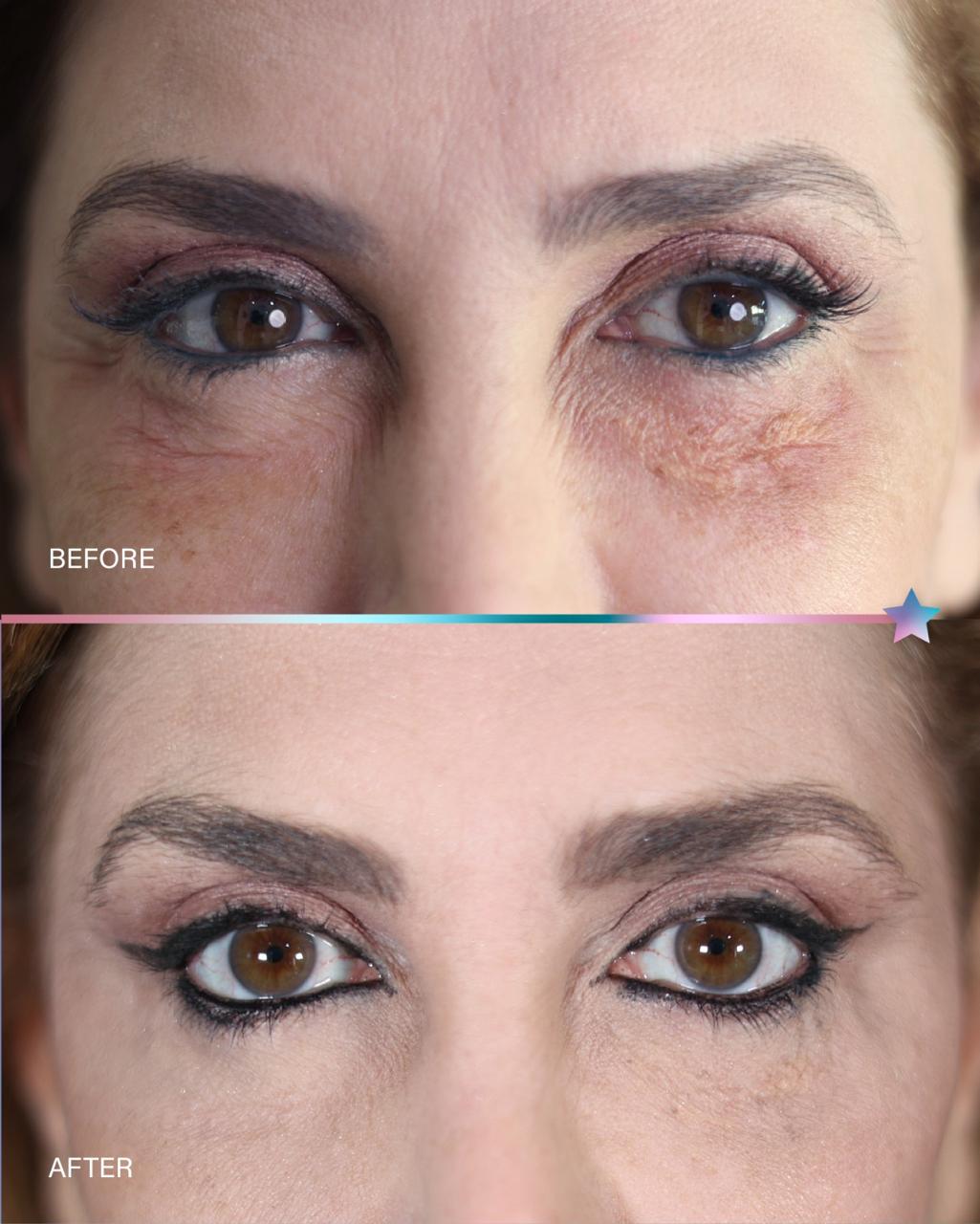
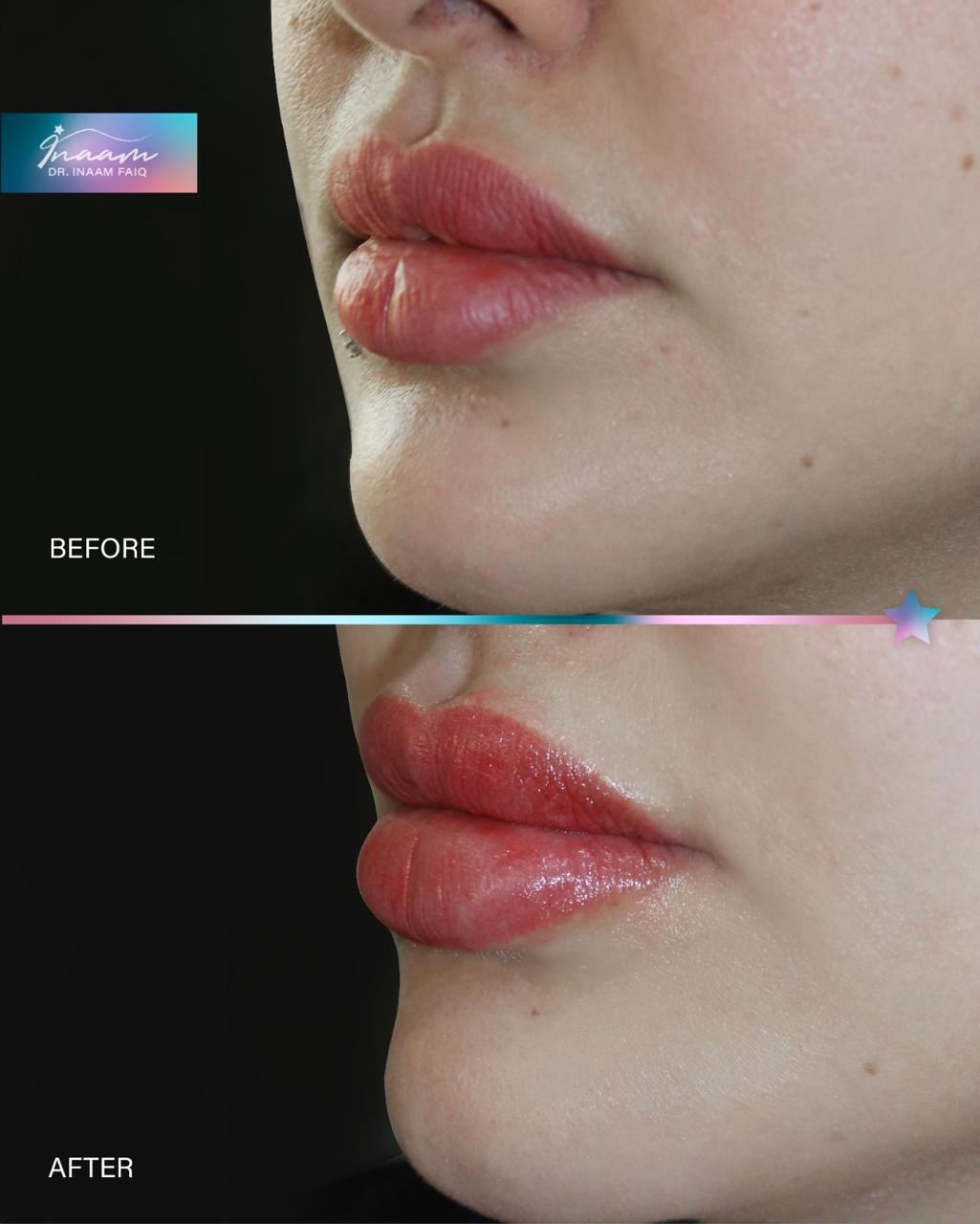
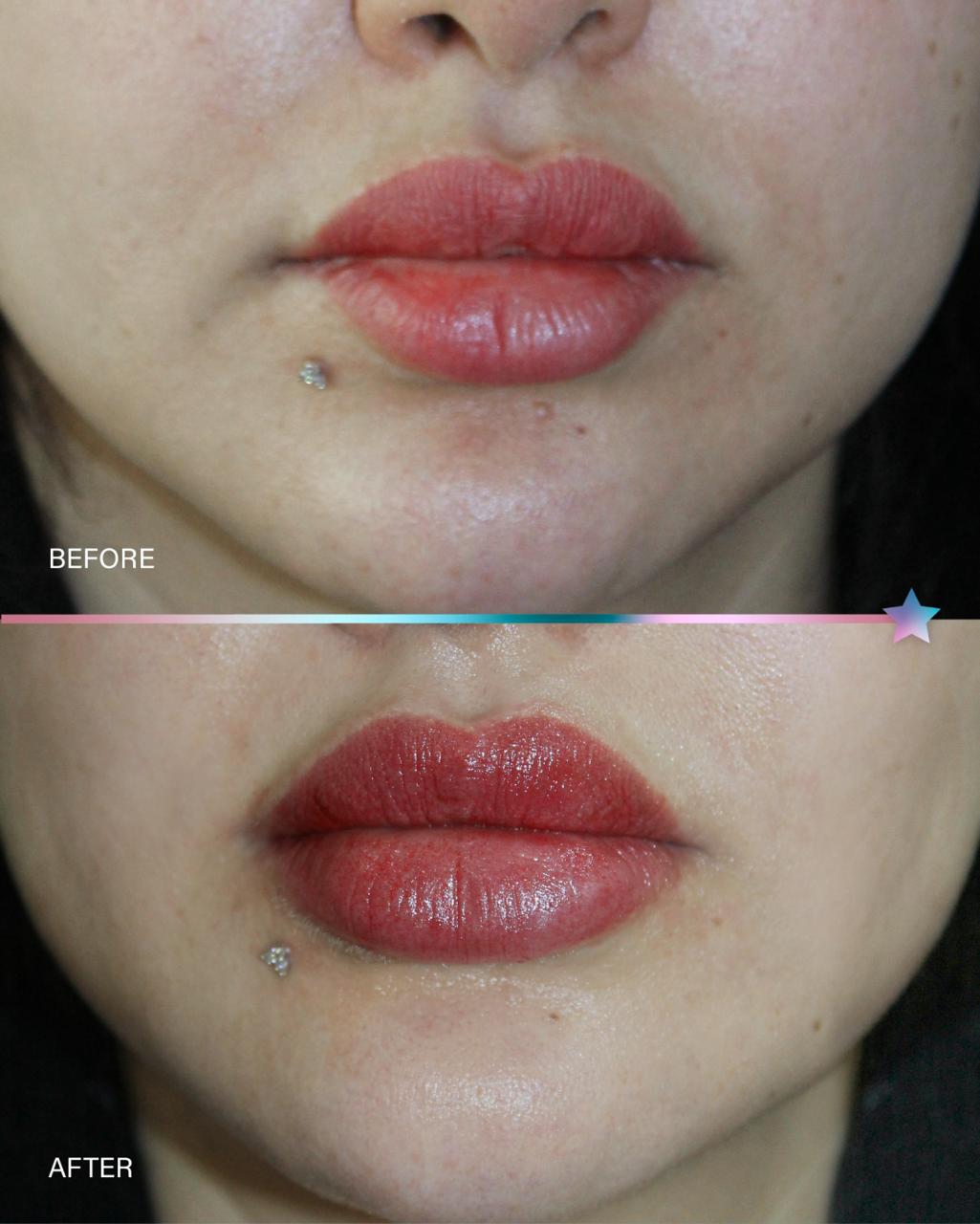
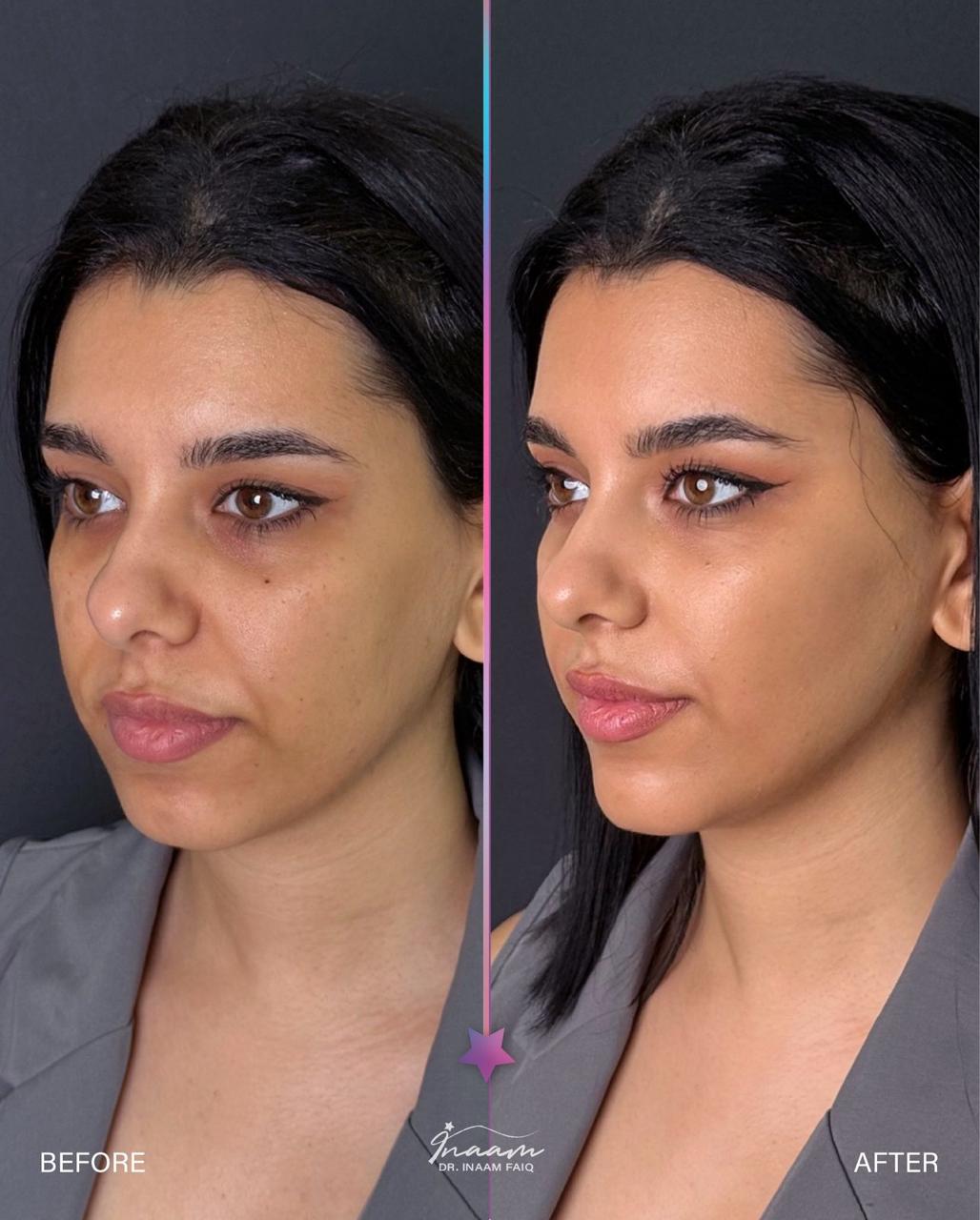
Real Procedure Results
View the results gallery → Results from Dr. Inaam's happy patients.
Browse unretouched before & after results from Dr. Inaam's patients across all treatments.
Everything patients ask before booking.
How long does a thread lift last?
The mechanical lift lasts 12–18 months as threads dissolve — but the collagen they stimulate keeps supporting the area beyond that. Top-ups can extend results indefinitely.
Is it painful?
The procedure is done under local anaesthetic — you feel movement and pressure, not pain. Expect tenderness and tightness for a few days after.
What is the downtime?
2–5 days of mild swelling, possible small bruises, and a tight sensation. Most patients are socially comfortable within a week. You'll avoid wide mouth-opening and sleeping face-down briefly.
Will the result look natural?
Yes — when lifted along the correct vectors with restraint. Dr. Inaam's aim is "rested and lifted", never "pulled".
Thread lift or filler — which do I need?
If tissue has dropped, threads; if volume is lost, filler; very often ageing involves both, and a combined plan gives the most natural result. The consultation answers this precisely.
Are the threads safe?
The threads are dissolvable PDO — a material used in surgery for decades. They fully absorb over months, leaving only your own new collagen behind.